Main Water Line Repair Cost: 2026 Data
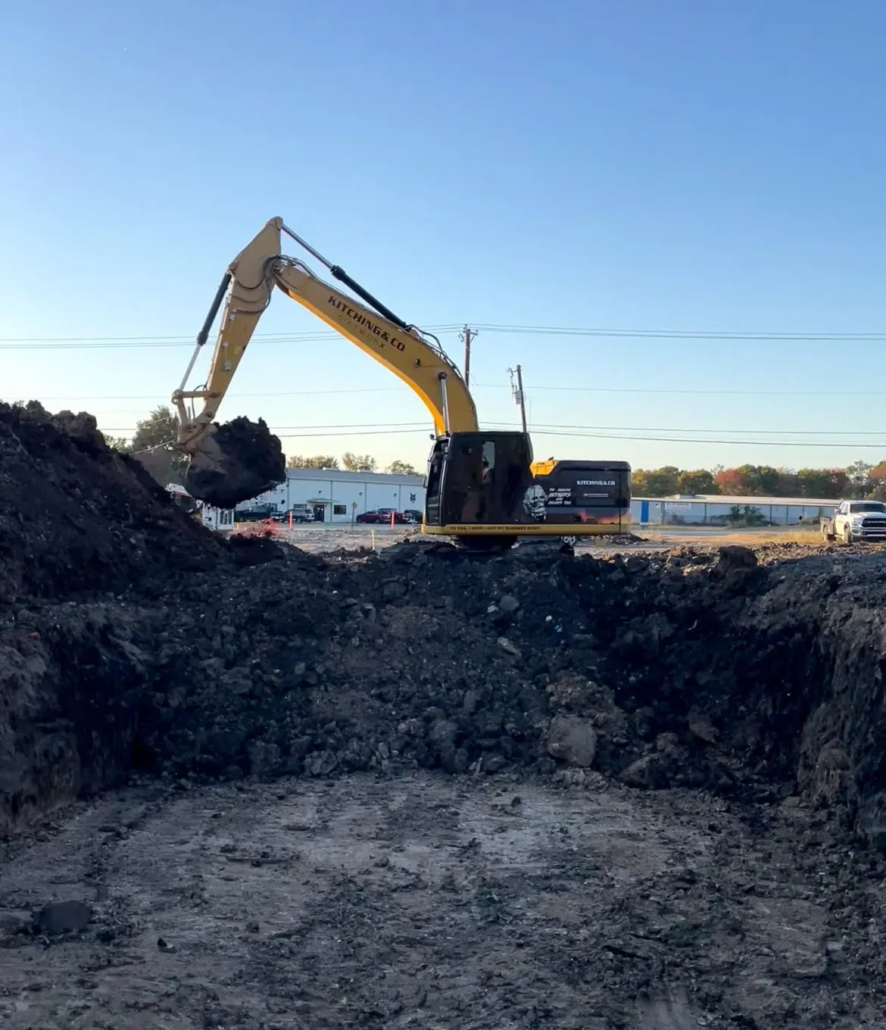
Between January and March 2026, our research team compiled repair cost data from 142 main water line projects across residential and commercial properties in the Dallas-Fort Worth area. We analyzed pricing from licensed excavation contractors, emergency repair providers, and utility specialists to determine accurate cost benchmarks. This report breaks down repair costs by scenario, project length, cost-increasing factors, and service urgency to help property owners budget for water line repairs.
Main water line damage often goes undetected until symptoms become severe. Property owners typically discover problems through unexplained water bill increases, sudden pressure drops, or visible pooling in yards. By the time most homeowners recognize these warning signs, the damage has already progressed beyond a simple patch job, making cost estimates critical for emergency planning.
Main Water Line Repair Cost by Scenario
The type and severity of damage directly determines your repair cost. Here’s what property owners pay based on common water line failure scenarios:
| Repair Scenario | Average Cost Range | Typical Timeframe | When This Happens |
|---|---|---|---|
| Minor leak repair | $250–$550 | 2–4 hours | Small crack in accessible pipe, shut-off valve issue, minor corrosion spot |
| Moderate leak | $550–$1,200 | 4–6 hours | Mid-sized break, accessible location under lawn or landscaping |
| Major break | $1,200–$2,800 | 6–12 hours | Severed line, large rupture, significant water damage to surrounding area |
| Corroded pipe section | $800–$1,600 | 5–8 hours | Aged galvanized steel or copper showing deterioration, requires section replacement |
| Full line replacement | $2,800–$5,500+ | 1–3 days | Repeated failures, pipe runs under concrete or driveway, extensive corrosion throughout |
Most homeowners pay between $400 and $1,500 for main water line repairs, with the national average typically ranging from $950 to $1,025 [1] [2]. The cost depends heavily on damage severity, pipe accessibility, and whether the repair requires excavation beneath landscaping, concrete, or other obstacles.
Minor leaks typically occur at connection points or where pipes have developed pinhole corrosion. These repairs are straightforward when the damaged section is within 3 feet of the surface and located in open yard space. Contractors can usually expose the pipe, apply a repair clamp or coupling, and restore service within a few hours.
Moderate to major breaks happen when pipes rupture completely—often due to freezing temperatures, tree root intrusion, or soil movement. In Dallas-Fort Worth, expansive clay soil is a leading cause of main water line failure. As clay absorbs moisture during rainy periods, it expands and places pressure on buried pipes. During dry summer months, that same soil contracts and shifts, creating voids that cause pipes to sag or crack.
Full line replacement becomes necessary when galvanized steel pipes exceed their 20–50 year lifespan or when multiple sections show advanced corrosion [8]. Homes built before 1960 may still have galvanized lines that rust internally, reducing water flow and contaminating supply with metal particles. Replacing the entire main line prevents repeated emergency calls and provides long-term reliability.
Main Water Line Repair Cost by Length
The distance from your home to the municipal connection significantly impacts total project cost. Use this breakdown to estimate expenses based on your property’s water line length:
| Pipe Length (Feet) | Average Cost Range | Typical Property Type |
|---|---|---|
| 0–25 feet | $400–$1,200 | Small residential lots, townhomes, zero-lot properties |
| 25–50 feet | $1,200–$2,500 | Standard single-family homes, typical suburban lots |
| 50–75 feet | $2,500–$4,200 | Larger residential properties, homes with long driveways |
| 75–100 feet | $4,200–$6,000 | Acreage properties, multi-unit buildings, commercial sites |
| 100+ feet | $6,000–$12,000+ | Large commercial properties, industrial facilities, subdivisions |
Contractors typically charge $100 to $200 per linear foot for main water line repair, depending on excavation depth and site conditions. This per-foot pricing accounts for trenching, pipe material, fittings, backfill, and labor. Projects requiring 50 feet or more of excavation often qualify for volume pricing, though difficult access conditions can offset those savings.
Property layout significantly impacts total repair length. Homes set far back from the street require longer water lines to connect to municipal supply. Corner lots and properties with curved driveways may have lines that travel 100+ feet before reaching the home’s foundation. Before accepting a quote, verify that the contractor measured the actual underground route—not just the straight-line distance from street to structure.
Pipe material also affects per-foot costs. PEX tubing runs $0.50–$2 per foot for materials alone, while copper costs $2–$4 per foot and PVC averages $0.40–$1 per foot (as of early 2026). Most excavation contractors in North Texas now install PEX for residential main lines due to its flexibility, freeze resistance, and 40–50 year lifespan [8]. Copper remains the preferred choice for commercial properties despite higher material costs, as it handles high pressure better than plastic alternatives [9].
Factors That Increase Main Water Line Repair Cost
Several site conditions and project complexities can drive repair costs well above baseline estimates. Understanding these factors helps you anticipate the final bill:
| Factor | Cost Impact | Why It Matters |
|---|---|---|
| Pipe depth (0–3 feet) | Low (+$0–$200) | Shallow lines require minimal excavation, faster access |
| Pipe depth (3–6 feet) | Medium (+$300–$800) | Deeper excavation demands more labor, equipment, and shoring |
| Pipe depth (6+ feet) | High (+$1,000–$2,500) | Requires heavy machinery, safety measures, extensive backfill |
| Location under driveway | High (+$1,500–$3,500) | Concrete removal and replacement add significant material and labor costs |
| Location under landscaping | Medium (+$400–$1,200) | Tree removal, sod replacement, irrigation line relocation |
| Rocky or clay soil | Medium (+$500–$1,500) | Harder digging conditions slow progress, may require specialized equipment |
| Nearby utility lines | High (+$800–$2,000) | Requires careful hand-digging or hydrovac excavation to avoid damaging gas, electric, or sewer lines |
| Emergency service | High (2x–3x standard rate) | After-hours labor, expedited response, urgency premium |
Excavation depth has the largest impact on total project cost. Lines buried 6 feet or deeper require careful trenching, proper shoring to prevent collapse, and significantly more time to expose the damaged section. Most residential water mains in Texas are typically buried 18–36 inches below grade to avoid surface temperature fluctuations, exceeding the minimum code requirement of 12 inches below grade and 6 inches below the frost line [3] [4]. Older homes or properties with steep grading may have lines buried deeper, potentially 5+ feet.
Concrete and asphalt removal transforms a $1,000 repair into a $4,000+ project. Driveways must be cut with concrete saws, broken sections hauled away, and the area re-poured after backfilling. Standard driveway concrete costs $6–$12 per square foot installed [5], so a 10×10 section adds $600–$1,200 to the bill just for restoration. Decorative or stamped concrete can potentially double that figure.
North Texas soil conditions present unique challenges. The region’s expansive clay swells up to 10% during wet periods and shrinks considerably during drought. This constant movement stresses underground utilities, causing joints to separate and pipes to crack. Contractors working in Dallas-Fort Worth often recommend wrapping new water lines in sand or engineered backfill to create a buffer zone that minimizes soil pressure on the pipe.
Proximity to other utilities complicates excavation and increases labor time. Properties with underground gas, electric, fiber optic, and sewer lines require contractors to hand-dig or use hydrovac (vacuum excavation) near marked utility corridors. Hydrovac daylighting uses pressurized water to expose utilities without mechanical contact, preventing accidental strikes that could trigger evacuations, service outages, or legal liability. This specialized equipment typically adds $200–$600 to repair costs, reflecting the specialized labor and equipment involved [6] [7], but protects against far more expensive damage claims.
Signs You Need Main Water Line Repair
Recognizing early warning signs prevents minor leaks from becoming emergency replacements:
- Unexplained water bill spikes – A significant (e.g., 20% or more) increase in water bill with no usage change often indicates a hidden leak
- Sudden pressure loss – Weak flow from all faucets suggests main line damage, not fixture issues
- Wet spots in the yard – Spongy soil, persistent puddles, or unusually green grass patches over the water line
- Discolored water – Rust-colored tap water indicates pipe corrosion releasing metal particles
- Foundation cracks – Water leaking beneath foundations causes settling and structural damage
- Water pooling near the street – Indicates a break between the home and municipal connection
If you notice multiple symptoms simultaneously, shut off the main water supply immediately and contact an excavation contractor with emergency repair capabilities. Continued water loss accelerates soil erosion beneath driveways and foundations, turning a straightforward pipe repair into a structural remediation project.
Emergency vs. Scheduled Repair Cost Comparison
Timing affects more than just convenience—it significantly impacts what you’ll pay. This comparison shows the cost difference between planned and urgent repairs:
| Service Type | Typical Cost Range | Response Time | When It’s Needed |
|---|---|---|---|
| Scheduled repair | $400–$1,500 | 1–5 business days | Slow leak, minor pressure drop, planned maintenance |
| Same-day service | $800–$2,200 | 4–8 hours | Moderate leak causing property damage, water pooling in yard |
| After-hours emergency | $1,200–$4,000+ | 1–2 hours | Severed line, flooding, no water to home, contamination risk |
Emergency repairs typically cost 2 to 3 times more than scheduled work due to after-hours labor rates and expedited mobilization. However, delaying emergency repairs often leads to foundation damage, soil erosion, and higher total restoration costs. A timely emergency repair can prevent significantly more costly damage, such as foundation repairs that could range from several thousands to tens of thousands of dollars if water is allowed to undermine structural supports for an extended period.
Most emergency calls happen outside business hours. Water main breaks don’t follow convenient schedules—they rupture during freezing overnight temperatures or peak usage periods when pressure spikes. Contractors offering 24/7 emergency response maintain on-call crews and equipment specifically for rapid deployment, which justifies premium pricing.
When to schedule non-emergency repairs: If you’ve discovered a slow leak with no immediate flooding risk, scheduling repair during normal business hours can save 40–60% on labor costs. Slow leaks typically manifest as gradual pressure loss over weeks, small wet spots that don’t expand rapidly, or moderate water bill increases rather than dramatic spikes. However, don’t delay beyond a few days—slow leaks accelerate as erosion around the pipe worsens.
For commercial properties, downtime costs often exceed premium emergency rates. A restaurant without water can’t operate, a medical facility can’t maintain sanitation standards, and apartment complexes face tenant complaints and potential code violations. In these scenarios, paying 3x standard rates for 2-hour response is far cheaper than losing business revenue or facing regulatory penalties.
Additional Costs to Expect
Beyond the repair itself, budget for these common post-repair expenses:
- Landscaping restoration: $600–$2,500 for sod replacement, regrading, tree trimming, irrigation repair
- Driveway or concrete repair: $3–$8 per square foot for removal, $6–$12 per square foot for replacement
- Permit fees: $50–$300 depending on municipality and scope (most Texas cities require permits for main line work)
- Camera inspection: $150–$400 to locate the exact break before excavation using specialized pipe cameras
- Soil testing or replacement: $200–$800 if corrosive soil damaged the original pipe and needs remediation
- Water service reconnection fee: $75–$200 charged by some municipalities to restore service after repairs
In Dallas-Fort Worth, emergency utility repair providers often bundle site restoration into their quotes, streamlining the process for property owners who need turnkey service from excavation to final grading. When comparing quotes, verify which services are included—a $1,200 “all-inclusive” estimate may be more economical than a $900 repair quote that excludes concrete work and landscaping.
Permit requirements vary by jurisdiction. Most North Texas municipalities require excavation permits for main line work, particularly when digging extends beyond 3 feet or affects public right-of-way. Contractors typically handle permit applications as part of their service, but confirm this before work begins. Operating without proper permits can result in stop-work orders, fines, and complications when selling the property.
How Long Do Different Water Line Materials Last?
Understanding pipe lifespan helps property owners anticipate replacement needs:
- Copper pipes: 50–70+ years, excellent durability, but expensive and vulnerable to acidic water [8]
- PEX (cross-linked polyethylene): 40–50 years, flexible, freeze-resistant, cost-effective [8]
- PVC (polyvinyl chloride): 25–40 years, lightweight and inexpensive, but can’t handle hot water [8]
- Galvanized steel: 20–50 years, found in older homes, prone to internal rust and clogging [8]
- CPVC (chlorinated PVC): 50–75 years, handles hot water better than standard PVC [8]
Homes built before 1960 likely have galvanized steel mains nearing or past their functional lifespan. If your property is 50+ years old and has never had a main line replacement, consider scheduling a camera inspection to assess pipe condition before a failure occurs. Proactive replacement costs less than emergency work and allows you to choose timing that fits your budget.
Get a Main Water Line Repair Estimate
Main water line repairs vary widely based on damage type, excavation complexity, and site conditions. For accurate pricing specific to your property, contact a licensed excavation contractor with experience in underground utility work. Kitching & Co provides 24/7 emergency water line repair across Dallas-Fort Worth, with transparent quotes and fast response times. Our crews handle everything from excavation to concrete restoration, delivering turnkey solutions that get your water service restored quickly and safely. Request a free estimate or call (469) 406-7110 for immediate service.
Sources
- HomeAdvisor, “How Much Does Main Water Line Leak Repair Cost in 2025?”, April 2025, Location: Nationwide
- HomeGuide, “How Much Does Main Water Line Repair Cost?”, Tara Farmer, December 2025, Location: Nationwide
- UpCodes, “Chapter 26 General Plumbing Requirements (Dallas IRC 2015)”, Location: Dallas, Texas
- RC Pros, “Who Pays for Water Line Repair in Dallas?”, March 23, 2023, Location: Dallas, Texas
- HomeGuide, “How Much Does Concrete Driveway Cost?”, February 2026, Location: Nationwide
- Excavating Insurance Partners, “How to Price Hydro Excavation Jobs for Profitability”, October 2, 2025
- HoleHogz, “Hydrovac Excavation Costs”, February 21, 2025
- Red Cedar Plumbing, “What Is the Lifespan of Different Pipe Materials?”, December 30, 2025
- Creative Repipe, “PEX Plumbing Systems vs. Copper: Which Is Better for Indoor and Underground Use?”, November 27, 2024
- Angi, “How Much Does Main Water Line Repair Cost in Dallas, TX?”, 2025, Location: Dallas, Texas
- Comfort Experts Inc, “Lifespan of 8 Common Pipe Materials”, Fort Worth, Texas, 2024
- Paul Bunyan Plumbing & Drains, “9 Warning Signs You May Need to Call a Water Line Repair Specialist”, April 2020
- Universal Soil Stabilizers, “Early Warning Signs of Expansive Clay Damage & How to Act Fast”
- Texas Department of Transportation, “Damage to Foundations from Expansive Soils”, University of Texas Center for Transportation Research
- Focus Digital Research Study, “Main Water Line Repair Cost Analysis”, Author: Kitching & Co Research Team, Location: Dallas-Fort Worth, Texas, Date: March 2026






Leave a Reply
Want to join the discussion?Feel free to contribute!