Between October 2025 and January 2026, our research team evaluated commercial demolition contractors serving Dallas, Texas. We analyzed 8 contractors using the following weighted factors:

    The ranking factors are:

    • Location/Service Area (20%)
    • Services Offered (30%)
    • Project Size Capability (25%)
    • Licensed & Insured (25%)
    • Specialty (qualitative assessment)

    Companies were rank-ordered using this algorithm to identify the top performers across the Dallas-Fort Worth region. The table below presents the highest-scoring commercial demolition contractors, with detailed reviews following.

    Best Commercial Demolition Contractors in Dallas

    In the table below, we break down the leading commercial demolition contractors based on verified data and weighted performance metrics.

    CompanyLocationServices OfferedEquipment Fleet & TechnologyLicensed & InsuredEmergency ServiceSpecialty
    Kitching & CoAnna, TX (Serves Dallas)Excavation, Demolition, Utilities, Concrete, Roads, Emergency, HydrovacIntegrated fleet for turnkey site prep✓ Fully licensed, bonded & insured✓ 24/7 available24/7 turnkey site prep
    Dallas DemolitionDallas, TXIndustrial, Commercial, Residential, Implosions, Abatement, RemediationCompany-owned heavy equipment fleet✓ Licensed & insured✓ 24/7 contact60+ years experience
    Lloyd Nabors DemolitionDallas, TX (TX/LA/AR)Commercial, Residential, Bridge, Asbestos Abatement, RecyclingMulti-state project delivery capacity✓ Licensed, bonded & insuredStandard hoursSurety bonding capacity
    Midwest Wrecking CoFort Worth, TXImplosion, Selective Demo, Asbestos, Bridge Demo, Plant DismantlingSpecialized implosion + selective demo capability✓ Licensed & insuredStandard hoursImplosion specialists
    Billy L. Nabors DemolitionDallas, TXCommercial, Residential, Emergency, Selective DemolitionEstablished Dallas demolition operations✓ Licensed & insuredEmergency available65+ years local presence
    JRP DemolitionDallas, TXCommercial, Residential, Pool Demolition, Asbestos RemovalRegulatory-focused demolition process✓ Licensed & insuredStandard hoursPermitting specialists

    1. Kitching & Co, for comprehensive commercial demolition and 24/7 project response

    Visit Website


    Kitching & Co operates as the Dallas region’s full-service excavation and demolition contractor, delivering integrated site preparation solutions for commercial developers, municipalities, and general contractors. Based in Anna, TX with comprehensive Dallas coverage, the company combines 52+ years of leadership experience with round-the-clock availability that sets it apart in the commercial demolition sector.

    The firm’s competitive advantage centers on turnkey project delivery, handling demolition, excavation, underground utilities, concrete work, and road construction through a single point of contact. Fully licensed, bonded, and insured across Texas, Kitching & Co specializes in complex commercial projects requiring tight coordination and zero downtime risk. Its 24/7 emergency response capability provides critical value for time-sensitive commercial developments and municipal infrastructure work.

    Highlights:

    • Turnkey commercial demolition and site preparation under one contractor
    • 24/7 availability for emergency response and time-sensitive projects
    • Integrated scopes: demolition, excavation, utilities, concrete, and roads
    • Fully licensed, bonded, and insured across Texas for commercial work
    • Single-source accountability from demolition through final grading

    Main Focus: Single-source commercial demolition through turnkey site prep with 24/7 response capability.

    Location: Anna, TX (Comprehensive Dallas coverage)

    Year Founded: 5+ years of experience (52+ years combined leadership)

    Price Range: Mid to Premium ($$-$$$$)

    Services Offered: Commercial demolition, excavation, underground utilities, concrete, road construction, emergency response, Hydrovac

    Summary of Online Reviews
    Commercial clients consistently highlight exceptional communication, completing high-quality workmanship before the completion date, and honest numbers on bid comparisons. The 24/7 availability and single-source accountability for demolition through final grading earn frequent praise from developers managing tight project timelines.

    2. Dallas Demolition, for large-scale industrial projects

    Visit Website


    Dallas Demolition has served Texas and surrounding states since 1963, positioning itself as a multi-generational family business with six decades of institutional knowledge. The Dallas-based contractor operates a company-owned fleet of heavy equipment with specialized attachments for industrial, commercial, and residential demolition.

    The company’s service range spans total building demolition, high-rise dismantle, implosions, interior demolition, on-site concrete recycling, underground storage tank removal, soil remediation, and asbestos abatement. Notable project experience includes high rises, industrial plants, smoke stacks, malls, apartments, tunnels, skybridges, and bridges. Contact is available 24/7 at the Dallas headquarters.

    Highlights:

    • Large-scale industrial and commercial demolition with specialized equipment
    • Implosions, high-rise dismantle, and complex structures experience
    • Asbestos abatement, remediation, and asset recovery support
    • On-site concrete recycling and underground tank removal capability
    • 24/7 contact availability and disaster cleanup experience

    Main Focus: Complex industrial demolition, remediation, recycling, and high-risk commercial projects.

    Location: Dallas, TX (Serves Texas and surrounding states)

    Year Founded: 1963

    Price Range: Mid to Premium ($$-$$$$)

    Services Offered: Industrial demolition, commercial demolition, implosions, asbestos abatement, soil remediation, asset recovery

    Summary of Online Reviews
    Clients emphasize long-standing family business reliability and the ability to solve complex demolition, remediation, and recycling projects. Commercial contractors highlight professional planning and heavy equipment capability, with tornado cleanup specialization signaling strong disaster response capacity.

    3. Lloyd Nabors Demolition, for bonded multi-state projects

    Visit Website


    Lloyd Nabors Demolition has provided demolition services since 1997, serving Dallas, Texas, Louisiana, and Arkansas with bonding capacity for projects of all sizes. The company emphasizes skilled and experienced contractors with applicable licenses to raze buildings throughout the multi-state region.

    Service offerings include commercial and residential demolition, bridge demolition, and asbestos abatement. The firm positions itself as capable of handling difficult demolitions with full insurance coverage and surety bonds, managing permit acquisition, hazardous material disposal, salvage and recycling, structure razing, and site cleanup upon completion.

    Highlights:

    • Bonded project capacity with multi-state licensing coverage
    • Commercial, residential, bridge demolition, and asbestos abatement
    • Permitting, hazardous disposal, salvage/recycling, and cleanup management
    • Surety bonding and insured execution for complex commercial scopes
    • Experience with difficult demolitions and regulated project requirements

    Main Focus: Bonded commercial demolition across TX/LA/AR with full project administration and compliance.

    Location: Dallas, TX (Serves TX, LA, AR)

    Year Founded: 1997

    Price Range: Mid-Range ($$-$$$)

    Services Offered: Commercial demolition, residential demolition, bridge demolition, asbestos abatement

    Summary of Online Reviews
    Contractor and municipal clients frequently reference bonding capacity and the company’s experience with difficult demolitions as key differentiators. Multi-state licensing and insured execution support complex project delivery, with permitting and regulated disposal handled end-to-end.

    4. Midwest Wrecking Co, for implosion and specialized demolition

    Visit Website


    Midwest Wrecking Co. of Texas, Inc. has serviced Texas and surrounding states since 1985 from its Fort Worth headquarters. The company is recognized for coordinating major implosion work, including the Landmark Tower implosion in Fort Worth, demonstrating technical capability for high-risk, high-complexity demolitions.

    Midwest offers building demolition, interior/selective demolition, implosion, asbestos abatement, pre-demolition asbestos surveys, power plant dismantling, paving removal, bridge demolition, salvage services, and land clearing. The firm emphasizes a professional engineering-forward approach for complex scopes beyond basic demolition work.

    Highlights:

    • Implosion and selective demolition specialization for complex projects
    • Power plant dismantling, bridge demolition, and industrial scopes
    • Asbestos abatement and pre-demolition surveys support compliance
    • Salvage services and land clearing for full site readiness
    • Recognized portfolio for technical, engineering-driven demolitions

    Main Focus: Specialized demolition including implosion, industrial dismantling, and complex selective scopes.

    Location: Fort Worth, TX (Serves Texas and surrounding states)

    Year Founded: 1985

    Price Range: Premium ($$$-$$$$)

    Services Offered: Implosion, selective demolition, asbestos abatement, bridge demolition, power plant dismantling

    Summary of Online Reviews
    Commercial clients emphasize engineering knowledge, complex project specialization, and professional execution for difficult scopes. The company’s implosion portfolio functions as a proof point for technical capability, with strong positioning for selective and industrial demolition work.

    5. Billy L. Nabors Demolition, for established Dallas presence

    Visit Website


    Billy L. Nabors Demolition was founded in 1959, establishing itself as one of the earliest demolition contractors in the Dallas area. Through decades of operation, the company built a reputation on hard work, integrity, and professional execution across commercial and residential demolition projects.

    With long-standing Dallas-area experience, the team handles commercial, residential, emergency, and selective demolition. Established local relationships across municipal permitting and contractor networks make the firm a reliable option for contractors prioritizing Dallas-specific execution experience.

    Highlights:

    • Decades-long Dallas demolition presence and local project familiarity
    • Commercial demolition and selective demolition for controlled scopes
    • Emergency demolition availability for time-sensitive needs
    • Established permitting and contractor-network relationships in Dallas
    • Legacy reputation built on integrity and professional execution

    Main Focus: Dallas-based commercial demolition with long-standing permitting and contractor network experience.

    Location: Dallas, TX

    Year Founded: 1959

    Price Range: Mid-Range ($$-$$$)

    Services Offered: Commercial demolition, residential demolition, emergency demolition, selective demolition

    Summary of Online Reviews
    Clients frequently reference decades of local experience and the company’s long-standing reputation for integrity. Commercial contractors highlight Dallas-area project familiarity and established permitting relationships as valuable advantages for executing demolition work efficiently.

    6. JRP Demolition, for permitting and regulatory compliance

    Visit Website


    JRP Demolition serves the Dallas area with a focus on residential and commercial demolition projects requiring careful attention to environmental regulations and hazardous materials. The company emphasizes pre-demolition preparation including permitting and conforming to local regulations before job commencement.

    Services include residential demolition (full properties, garages, sheds), commercial demolition (office buildings, retail stores, warehouses, factories), pool demolition, and asbestos removal. JRP highlights specialized equipment and training for handling environmental contamination and regulated materials, along with utility disconnections and complete debris disposal with cleanup.

    Highlights:

    • Permitting-first demolition process aligned to Dallas regulations
    • Commercial demolition across offices, retail, warehouses, and factories
    • Asbestos removal and hazardous material handling capability
    • Utility disconnections and full debris disposal/cleanup included
    • Responsive scheduling for projects requiring regulatory coordination

    Main Focus: Commercial demolition projects where permitting, compliance, and hazardous material processes are central.

    Location: Dallas, TX (Serves DFW region)

    Year Founded: Not disclosed

    Price Range: Mid-Range ($$-$$$)

    Services Offered: Commercial demolition, residential demolition, pool demolition, asbestos abatement

    Summary of Online Reviews
    Clients frequently describe a professional, efficient process with clear communication throughout the job. Reviews highlight a hassle-free experience from start to finish, with permitting and compliance work handled by JRP’s team before demolition begins.

    The Top Commercial Demolition Contractors in Dallas by Specialty

    We also broke down the top companies into three subcategories based on specialty.

    Best for Large Commercial & Industrial Projects

    • Kitching & Co – Turnkey commercial site prep with 24/7 availability
    • Dallas Demolition – 60+ years experience on industrial plants and high-rises
    • Midwest Wrecking Co – Implosion and power plant dismantling specialists
    • Lloyd Nabors Demolition – Multi-state bonding capacity for large projects
    • Billy L. Nabors Demolition – 65+ years Dallas commercial experience

    Best for Mid-Size Commercial Buildings

    • Kitching & Co – Single-source demolition through utilities and roads
    • Lloyd Nabors Demolition – Bonded commercial and bridge demolition
    • JRP Demolition – Commercial buildings with permitting expertise
    • Dallas Demolition – Full-service commercial demolition and recycling
    • Billy L. Nabors Demolition – Established Dallas execution experience

    Best for Emergency & Time-Sensitive Work

    • Kitching & Co – 24/7 emergency response with full crews
    • Dallas Demolition – 24/7 contact and disaster cleanup experience
    • Billy L. Nabors Demolition – Emergency demolition services
    • JRP Demolition – Responsive scheduling and permitting support
    • Lloyd Nabors Demolition – Bonded execution for time-sensitive commercial scopes

    Ready to start your Dallas commercial demolition project? Call us to discuss your site preparation, demolition, or infrastructure needs.
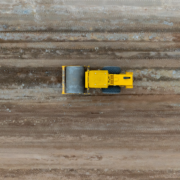
    Plano is one of the most active construction and development markets in Collin County, with excavation contractors playing a critical role in residential, commercial, and infrastructure projects. To identify the most capable excavation partners serving Plano, Texas, our research team evaluated contractors operating in the area using a weighted scoring model built around verified business data and service capability indicators.

    The ranking factors are:

    • Location/Service Area (15%): Proximity to Plano and strength of coverage across Collin County and the DFW region.
    • Years in Business (10%): Operational track record and stability of the business entity and leadership.
    • Services Offered (20%): Breadth of excavation, utilities, concrete, demolition, grading, and site preparation services.
    • Equipment Fleet & Technology (20%): Modern machinery, jobsite efficiency, and Hydrovac / specialized excavation capability where applicable.
    • Licensed & Insured (20%): Verified licensing and insurance coverage (and bonding when available).
    • Emergency Service Availability (15%): Ability to respond quickly to urgent excavation and underground utility needs.

    Companies were rank-ordered using this framework to identify the top performers serving Plano and the broader Collin County area. The table below presents the highest-scoring excavation contractors, with detailed reviews following.

    Best Excavation Contractors in Plano TX

    In the table below, we break down the leading excavation contractors based on verified data and weighted performance metrics.

    CompanyLocationYears in BusinessServices OfferedEquipment Fleet & TechnologyLicensed & InsuredEmergency ServiceSpecialty
    Kitching & CoAnna, TX (Serves Plano)5+ yearsExcavation, Utilities, Concrete, Roads, Emergency, HydrovacAdvanced fleet + Hydrovac tech✓ Fully licensed, bonded & insured✓ 24/7 availableFull-service site prep
    Barred Rock GroupRichardson, TX (Serves Plano)13+ yearsExcavation, Demolition, Concrete, Pool Removal, Land ClearingLate-model equipment✓ Licensed & insuredStandard hoursDemolition specialists
    D5 Plus, LLCFrisco, TX (Serves Plano)5+ yearsExcavation, Demolition, Skid Steer, HaulingOwner-operator expertise (20+ years)✓ InsuredBy appointmentResidential projects
    Firefly Earthworks, LLCDallas, TX (Serves DFW)1965 heritageExcavation, Utilities, Demolition, Site PrepComprehensive fleet✓ Licensed & insuredStandard hoursSustainable solutions
    Montesdeoca Excavation Construction LLCGarland, TX (Serves Plano)10+ yearsExcavation, Grading, Foundations, Ponds, Site Clearing, DemolitionDiverse equipment✓ Licensed & insuredStandard hoursResidential & commercial
    Cosby Land ClearingTexas-wideActiveLand Clearing, Grubbing, Excavation, Bulldozing, Mulching, Site Prep, Roads, PondsBulldozing & mulching fleet✓ InsuredStandard hoursLand clearing focus

    1. Kitching & Co, for full-service excavation and 24/7 emergency response

    Visit Website


    Kitching & Co operates as a comprehensive excavation and underground utility contractor based in Anna, TX, serving Plano and the broader Dallas–Fort Worth region. With 52+ years of combined leadership experience, the company delivers turnkey site preparation solutions for general contractors, developers, municipalities, and residential clients.

    The firm distinguishes itself through round-the-clock emergency utility repair capabilities and specialized expertise in Collin County’s expansive clay soils. Its service portfolio spans excavation and grading, underground utilities (water, sewer, storm), concrete work, road construction, and Hydrovac services. Equipment investments include machinery designed for precision compaction and moisture management critical to North Texas soil conditions.

    Highlights:

    • Turnkey site preparation: excavation, grading, underground utilities, and concrete/road work
    • 24/7 emergency underground utility repair and rapid response mobilization
    • Hydrovac excavation services for safe daylighting and non-destructive digging
    • Deep experience in Collin County clay soils and moisture/compaction-sensitive conditions
    • Trusted by developers, general contractors, municipalities, and homeowners across North Texas

    Main Focus: Full-service site preparation and emergency utility repair across Plano and North Texas.

    Location: Anna, TX (Serves Plano & North Texas)

    Year Founded: Recent establishment (52+ combined years of leadership experience)

    Price Range: Mid to Premium ($$-$$$$)

    Services Offered: Excavation, underground utilities, concrete, road construction, emergency repair, Hydrovac

    Summary of Online Reviews
    Customers consistently highlight exceptional communication, high-quality workmanship, and honest pricing when comparing quotes. The 24/7 emergency response earns frequent praise, with some noting premium pricing reflects specialized capabilities.

    2. Barred Rock Group, for demolition-focused excavation services

    Visit Website


    Barred Rock Group has served the Richardson–Dallas–Plano corridor since 2011, specializing in demolition and excavation work for residential and commercial properties. The company emphasizes late-model equipment and safety protocols that appeal to clients prioritizing organized, professional site management.

    The firm is frequently selected for mechanical demolition, select interior demolition, swimming pool removals, land clearing, and general excavation. Barred Rock operates primarily during standard business hours, making it a strong fit for scheduled demolition-led work rather than emergency utility response.

    Highlights:

    • Demolition-led excavation for residential and commercial sites
    • Swimming pool removals, land clearing, and concrete-related scope
    • Professional site management and safety-forward processes
    • Late-model equipment suited for clean, controlled demolition work

    Main Focus: Demolition and excavation packages for homeowners and property managers in the Plano/Richardson corridor.

    Location: Richardson, TX (Serves DFW including Plano)

    Year Founded: 2011

    Price Range: Mid-Range ($$-$$$)

    Services Offered: Demolition, excavation, concrete, pool removal, land clearing, disaster cleanup

    Summary of Online Reviews
    Reviews frequently describe quick, professional service and emphasize cleanliness and thorough cleanup. Clients appreciate clear communication and quality results, with notes that scheduling may require advance planning during peak seasons.

    3. D5 Plus, LLC, for cost-effective residential excavation


    D5 Plus operates from Frisco, TX, serving Plano and surrounding communities with excavation, demolition, skid steer operations, and material hauling. While the business is relatively new as an entity, its principals bring 20+ years of hands-on equipment operation experience, which shows in project efficiency and owner involvement on-site.

    D5 Plus focuses primarily on residential-scale work—pool excavation, lot grading, land clearing, and small demolition—using a lean operational model that tends to translate to competitive pricing. Service is typically available by appointment rather than 24/7 emergency response.

    Highlights:

    • Residential excavation and grading with owner-operator involvement
    • Skid steer and tractor work for tight-access jobs
    • Material hauling and small demolition support
    • Competitive pricing model for scheduled residential projects

    Main Focus: Budget-friendly residential excavation and site work in the Plano/Frisco area.

    Location: Frisco, TX (Serves Plano area)

    Year Founded: 5+ years in business (20+ years operator experience)

    Price Range: Budget-Friendly ($$)

    Services Offered: Excavation, demolition, tractor work, skid steer, hauling

    Summary of Online Reviews
    Customers often highlight timeliness, fair pricing, and direct communication with the owner. Reviews frequently mention quick response for estimates and high-quality results for residential-scale projects, with availability generally limited to scheduled appointments.

    4. Firefly Earthworks, LLC, for sustainable site development

    Visit Website


    Firefly Earthworks traces its operational heritage to 1965 and operates as a multi-generational family business now headquartered in Dallas. The company positions itself as a one-stop shop for site preparation, offering demolition, excavation, grading, underground utilities, and related specialty capabilities, including in-house welding and metal fabrication through a sister entity.

    Firefly differentiates through a sustainability-forward approach, positioning green and resilient infrastructure solutions alongside traditional earthwork services. Their fleet supports projects ranging from residential demolition to more complex utility installations. Service is typically offered during standard weekday business hours.

    Highlights:

    • Multi-service site preparation: excavation, utilities, demolition, and grading
    • Positioning around sustainable infrastructure solutions
    • Fleet capable of both residential and larger-scale site work
    • Integrated specialty support via related metalwork capabilities

    Main Focus: Full-scope site preparation with sustainability-minded execution.

    Location: Dallas, TX (Serves DFW region including Plano)

    Year Founded: 1965 heritage / current operating entity documented later

    Price Range: Mid-Range ($$-$$$)

    Services Offered: Excavation, utilities, demolition, site prep, sustainable solutions

    Summary of Online Reviews
    Reviews often emphasize hard-working crews, thorough evaluation of project scope, and dependable completion. Customers also highlight the sustainability-forward positioning and the advantage of integrated services for complex work.

    5. Montesdeoca Excavation Construction LLC, for versatile excavation work

    Visit Website


    Montesdeoca Excavation Construction LLC serves the Garland–Plano region and markets a broad set of excavation and grading services for both residential and commercial clients. Established in the mid-2010s, the company positions itself as a dependable contractor for everything from foundation digging to pond excavation and site clearing.

    Montesdeoca’s service mix suggests flexibility across job types, supported by a diversified equipment lineup. While public review coverage appears more limited than some competitors, the company’s footprint across Plano-area service pages indicates consistent local demand and an emphasis on customer communication.

    Highlights:

    • Versatile residential and commercial excavation support
    • Grading, foundation work, pond digging, and site clearing
    • Diverse equipment suited for multiple project types
    • Service positioning focused on reliability and communication

    Main Focus: Multi-use excavation and grading for homeowners and small-to-mid commercial projects.

    Location: Garland, TX (Serves Plano area)

    Year Founded: 2016 (reported)

    Price Range: Budget-Friendly to Mid-Range ($$-$$$)

    Services Offered: Excavation, grading, foundations, pond digging, site clearing, demolition

    Summary of Online Reviews
    Public review visibility appears limited relative to competitors. Company messaging emphasizes reasonable rates, quick turnaround, and strong customer communication, suggesting an established service footprint that would benefit from stronger third-party review coverage.

    6. Cosby Land Clearing, for extensive land preparation

    Visit Website


    Cosby Land Clearing operates across Texas with service coverage extending to Plano and Collin County. The company focuses on large-scale land transformation services including grubbing, land clearing, bulldozing, mulching, site preparation, pond digging, and road building, positioning itself as a heavy-equipment-first contractor for acreage and development parcels.

    Cosby’s capabilities are geared toward major site preparation needs rather than small trenching or emergency repair. While public third-party review coverage appears limited, the service scope and statewide footprint suggest the company is best suited for property owners, ranches, and development sites that need comprehensive clearing and grading support.

    Highlights:

    • Texas-wide land clearing and excavation capability
    • Bulldozing, mulching, grubbing, and heavy site prep services
    • Pond digging, road building, and parcel transformation scope
    • Best fit for acreage, land development, and large prep jobs

    Main Focus: Large-scale land preparation and clearing for development and acreage properties.

    Location: Texas-wide (Mobile service to Plano)

    Year Founded: Not publicly disclosed

    Price Range: Mid-Range ($$-$$$)

    Services Offered: Land clearing, grubbing, excavation, bulldozing, mulching, site prep, pond digging, road building

    Summary of Online Reviews
    Public third-party review data appears limited. Website testimonials emphasize precision clearing, efficiency, and thorough land preparation, indicating strong fit for large-property and heavy-equipment land transformation projects.

    The Top Excavation Contractors in Plano TX by Specialty

    We also broke down the top companies into three subcategories based on specialty.

    Best for Emergency & 24/7 Service

    • Kitching & Co – 24/7 emergency underground utility repair with rapid response teams
    • Barred Rock Group – Disaster cleanup and urgent demolition support (scheduled availability)
    • Firefly Earthworks – Established contractor relationships for priority scheduling
    • D5 Plus, LLC – Flexible scheduling for urgent residential needs (by appointment)
    • Montesdeoca Excavation – Responsive service model for scheduled work

    Best for Residential Projects

    • Kitching & Co – Full-service residential site prep and utilities
    • D5 Plus, LLC – Budget-friendly residential excavation and lot work
    • Montesdeoca Excavation – Homeowner-focused excavation services and grading
    • Barred Rock Group – Residential pool removal and demolition-led excavation
    • Firefly Earthworks – Residential demolition and site prep for larger scopes

    Best for Commercial & Large-Scale Projects

    • Kitching & Co – Full infrastructure packages for developers and GCs
    • Firefly Earthworks – Commercial site prep with sustainable solutions
    • Barred Rock Group – Commercial demolition and controlled excavation
    • Cosby Land Clearing – Large-scale land clearing and development parcel prep
    • Montesdeoca Excavation – Versatile excavation for commercial and mixed-use scopes

    Ready to start your Plano excavation project? Call us to discuss your site preparation, utility installation, or emergency repair needs.

    This report provides a comprehensive analysis of excavation cost per hour in 2026, aggregating data from national cost databases, contractor pricing surveys, labor statistics, and regional project data. The goal is to establish reliable hourly pricing benchmarks for excavation services across the United States, with specific emphasis on Texas and the Dallas–Fort Worth metropolitan area, where soil conditions, labor demand, and development activity continue to push costs above national averages.

    All pricing ranges reflect real-world market conditions, including equipment ownership and operating costs, operator labor, fuel, insurance, and utilization assumptions commonly used by professional excavation contractors.

    1. Average Excavation Cost Per Hour: National Overview

    Across the United States, excavation services priced by the hour typically range from $110 to $325 per hour, including equipment and a qualified operator. Rates trend higher when projects involve larger machines, challenging subsurface conditions, restricted access, or accelerated schedules.

    Hourly pricing is most commonly used for:

    • Utility trenching and repair
    • Foundation and basement excavation
    • Remedial or exploratory excavation
    • Projects with evolving scope or uncertain quantities

    Compared to per-cubic-yard pricing, hourly rates provide greater transparency when productivity

    is affected by access constraints, soil variability, or coordination with other trades.

    1. Average Excavation Cost Per Hour: National Overview 2026

    Cost TierTypical Hourly RangeCommon ApplicationsCost Drivers
    Light Residential$110 – $150/hrMini excavators, shallow trenching, landscapingEasy access, minimal haul
    Standard Excavation$160 – $260/hrFoundations, utilities, site prepMost common nationwide
    Heavy / Commercial$275 – $400/hrLarge excavators, deep excavationEquipment size, trucking
    Specialty / Difficult$400+/hrRock, caliche, urban congestionPremium labor, low productivity

    2. Excavation Cost Per Hour by Project Type

    Different excavation scopes require varying equipment, crew coordination, and risk exposure, directly affecting hourly pricing.

    Project TypeEquipment Typically UsedAvg. Hourly RateTypical DurationTotal Cost Range
    Residential FoundationStandard excavator, backhoe$160 – $2608–24 hrs$1,600 – $6,500
    Basement ExcavationLarge excavator + trucks$220 – $35016–40 hrs$5,500 – $18,000
    Pool ExcavationMini–standard excavator$130 – $2404–12 hrs$1,200 – $5,500
    Driveway / PatioSkid steer, mini excavator$110 – $1904–8 hrs$1,000 – $3,000
    Utility TrenchingBackhoe, trencher$130 – $2204–16 hrs$600 – $3,500
    Land Grading & LevelingDozer, grader$170 – $3258–24 hrs$1,500 – $8,000
    Commercial Site PrepMultiple machines$225 – $450+40–200+ hrs$12,000 – $90,000+

    Insight: Commercial and utility work often carries higher hourly rates due to safety requirements, coordination overhead, and downtime risk, even when productivity per hour is high.

    3. Excavation Cost Per Hour by Equipment Type

    Hourly excavation pricing varies significantly by machine size and capability. The table below compares national averages with Texas and Dallas–Fort Worth pricing, where demand and soil complexity increase operating costs.

    Equipment TypeNational AvgTexas AvgDFW AvgTypical Applications
    Mini Excavator$110 – $155$120 – $175$130 – $165Trenching, residential
    Standard Excavator$160 – $260$185 – $300$210 – $280Foundations, site work
    Large Excavator$220 – $375$260 – $425$290 – $395Commercial, deep digs
    Backhoe$110 – $210$130 – $235$145 – $215Utilities, backfill
    Bulldozer$160 – $325$185 – $375$215 – $350Grading, clearing
    Skid Steer$85 – $155$100 – $175$110 – $165Confined spaces

    Why Texas runs higher: expansive clay, caliche layers, strong year-round construction demand, and reduced idle capacity.

    4. Excavation Labor Costs: Operator Wages and Crew Rates

    Labor is a major component of excavation pricing, particularly in competitive metro areas where experienced operators are in short supply.

    RoleNational WageTexas WageDFW Wage
    Excavator Operator (Entry-Level)$21 – $28$23 – $30$25 – $33
    Excavator Operator (Experienced)$28 – $38$30 – $42$32 – $46
    Backhoe Operator$23 – $32$26 – $35$28 – $38
    Dozer Operator$24 – $34$27 – $37$29 – $40
    Heavy Equipment Operator$22 – $36$25 – $39$27 – $42
    Excavation Laborer$19 – $26$21 – $30$23 – $33

    Labor trend: Contractors increasingly price senior operators at a premium because higher skill reduces rework, utility strikes, and schedule overruns, often lowering total project cost despite higher hourly wages.

    5. Excavation Hourly Rates: Regional Comparison

    RegionTypical Hourly Ratevs. National AvgKey Cost Factors
    National Average$110 – $325BaselineMixed conditions
    Texas$180 – $425+15–30%Clay, caliche, demand
    California$220 – $475+30–45%Labor & regulation
    Florida$130 – $300+5–10%Water table, limestone
    New York$190 – $390+20–30%Urban density
    Colorado$150 – $330+10–15%Rock, seasonality
    Georgia$115 – $280+5–10%Red clay
    Illinois$135 – $300+8–12%Frost depth
    Arizona$130 – $310+8–12%Hardpan, heat
    North Carolina$120 – $285+5–10%Growth-driven demand

    6. Maximizing Value: Reducing Excavation Costs

    Even in higher-cost regions, disciplined planning can materially reduce excavation spend.

    Cost-Control Strategies

    • Obtain 3+ detailed bids with clear scope definitions
    • Schedule work during lower-demand periods when possible
    • Complete site prep and utility marking in advance
    • Bundle excavation tasks to reduce mobilization costs
    • Conduct soil testing before final pricing
    • Match equipment size to scope—avoid over-machining
    • Reuse clean fill onsite where feasible
    • Lock scope early to prevent hourly overruns

    Ready to Start Your Dallas-Fort Worth Excavation Project?

    Kitching Co. brings over a decade of excavation and underground utility expertise to residential and commercial projects throughout the Dallas-Fort Worth metroplex. Our experienced operators and modern equipment fleet ensure efficient, accurate excavation services delivered on schedule and within budget.

    Whether you need residential foundation excavation, commercial site preparation, utility trenching, or precision grading for drainage and underground utilities, our team understands the unique challenges of North Texas excavation—from navigating caliche hardpan to working safely around complex underground utility infrastructure.

    We provide transparent hourly pricing, detailed project estimates, and the professional expertise that turns excavation from a stressful uncertainty into a smoothly executed foundation for your project’s success.

    Contact Kitching Co. today for a detailed excavation estimate tailored to your specific project requirements, site conditions, and timeline.

    Excavation Services in Dallas–Fort Worth

    Kitching Co. provides excavation and underground utility services across the Dallas–Fort Worth metroplex, supporting residential, commercial, and municipal projects. With experienced operators, a modern equipment fleet, and transparent hourly pricing, the company delivers excavation work that balances efficiency, accuracy, and cost control—even in challenging North Texas soil conditions.

    Whether the project involves foundations, utility trenching, grading, or large-scale site preparation, Kitching Co. applies disciplined planning and execution to keep excavation predictable and efficient.

    Contact Kitching Co. for a detailed excavation estimate tailored to your site conditions, schedule, and scope.

    References

    1.Angi. (2025). “2025 Excavation Cost: A Complete Price Guide.” Retrieved from: https://www.angi.com/articles/excavation-costs.htm

    2.HomeGuide. (2025 ). “2025 Excavation Costs — Calculator & Prices By Project & Hour.” Retrieved from: https://homeguide.com/costs/excavation-cost

    3.ProMatcher. (2025 ). “Texas Excavation Costs & Prices – Cost Report.” Retrieved from: https://excavation.promatcher.com/cost/texas.aspx

    4.TH-Mach. (2025 ). “How Much Does an Excavator Cost: A Complete 2025 Pricing Guide.” Retrieved from: https://www.th-mach.com/How-Much-Does-an-Excavator-Cost

    5.ZipRecruiter. (2025 ). “Excavation Laborer Salary: Hourly Rate November 2025.” Retrieved from: https://www.ziprecruiter.com/Salaries/Excavation-Laborer-Salary

    6.Salary.com. (2025 ). “Excavation Laborer Salary in the United States.” Retrieved from: https://www.salary.com/research/salary/hiring/excavation-laborer-salary

    7.PayScale. (2025 ). “Heavy Equipment Operator Hourly Pay.” Retrieved from: https://www.payscale.com/research/US/Job=Heavy_Equipment_Operator/Hourly_Rate

    8.SitePrep.com. (2025 ). “Foundation Excavation Cost Guide 2025.” Retrieved from: https://www.siteprep.com/articles/how-much-does-a-foundation-excavation-cost/

    9.HomeGuide. (2025 ). “Regional Excavation Cost Variations.” Retrieved from: https://homeguide.com/costs/excavation-cost

    10.ProMatcher. (2025 ). “Dallas Excavation Costs & Prices.” Retrieved from: https://excavation.promatcher.com/cost/dallas-tx-excavation-costs-prices.aspx

    11.Kitching Co. (2025 ). “Average Excavation Cost Per Yard by Region: 2025 Report.” Retrieved from: https://kitchingco.com/uncategorized/average-excavation-cost-per-yard-by-region-2025-report/

    12.Kitching Co. Internal Project Data. (2024-2025 ). Dallas-Fort Worth metropolitan area excavation projects.

    13.FJDynamics. (2025). “Excavator Rental Costs Compared Across Sizes and Models.” Retrieved from: https://www.fjdynamics.com/blog/industry-insights-65/excavator-rental-cost-537

    This report presents a comprehensive analysis of excavation cost per hour in 2026, consolidating pricing data from national cost databases, contractor surveys, equipment rental benchmarks, and regional labor statistics. The goal is to provide practical, defensible hourly cost ranges for excavation work across the United States, with a focused lens on Texas and the Dallas–Fort Worth metroplex, where demand, soil conditions, and labor competition continue to push rates above national norms.

    All pricing ranges reflect real-world market conditions, including equipment, operator labor, fuel, insurance, and utilization assumptions commonly used by professional excavation contractors.


    1. Average Excavation Cost Per Hour: National Overview

    Across the United States, excavation services priced by the hour typically range from $110 to $325 per hour, including equipment and a certified operator. Rates move higher when projects involve:

    • Large or specialized equipment
    • Difficult soil conditions (rock, caliche, expansive clay)
    • Restricted access or urban utility congestion
    • Accelerated schedules or premium labor

    Hourly pricing is commonly used for utility trenching, remediation, small-to-mid commercial work, and projects with evolving scope, where per-cubic-yard pricing may introduce unnecessary risk for contractors or owners.

    National benchmark (equipment + operator):

    • Low end: $110–$150/hr (mini excavators, light residential work)
    • Mid-range: $160–$260/hr (standard excavation and site prep)
    • High end: $275–$400+/hr (large equipment, rock, commercial sites)
    Vegetation Density National Avg. Cost per Acre Texas Avg. Cost per Acre DFW Estimated Mid-Range
    Light brush and undergrowth $1,000 – $2,500 $1,500 – $3,000 $2,250
    Medium vegetation with small trees $2,000 – $4,000 $2,500 – $4,500 $3,500
    Heavy forest with mature trees $4,000 – $7,500 $4,500 – $8,500 $6,500
    Very dense wooded lots/challenging terrain $6,000 – $12,000+ $7,000 – $15,000+ $10,000

    2. Excavation Cost Per Hour by Project Type

    Different excavation scopes demand different equipment, crew coordination, and risk exposure—directly affecting hourly pricing.

    Project TypeTypical EquipmentAvg. Hourly RateTypical DurationTotal Cost Range
    Residential FoundationStandard excavator, backhoe$160 – $2608–24 hrs$1,600 – $6,500
    Basement ExcavationLarge excavator + trucks$220 – $35016–40 hrs$5,500 – $18,000
    Pool ExcavationMini–standard excavator$130 – $2404–12 hrs$1,200 – $5,500
    Driveway / PatioSkid steer, mini excavator$110 – $1904–8 hrs$1,000 – $3,000
    Utility TrenchingBackhoe, trencher$130 – $2204–16 hrs$600 – $3,500
    Land Grading & LevelingDozer, grader$170 – $3258–24 hrs$1,500 – $8,000
    Commercial Site PrepMultiple machines$225 – $450+40–200+ hrs$12,000 – $90,000+

    3. Excavation Cost Per Hour by Equipment Type

    The table below compares national, Texas, and Dallas–Fort Worth hourly rates, reflecting regional labor pressure and soil complexity.

    Equipment TypeNational AvgTexas AvgDFW AvgCommon Uses
    Mini Excavator$110 – $155$120 – $175$130 – $165Trenching, residential
    Standard Excavator$160 – $260$185 – $300$210 – $280Foundations, site work
    Large Excavator$220 – $375$260 – $425$290 – $395Commercial, deep digs
    Backhoe$110 – $210$130 – $235$145 – $215Utilities, backfill
    Bulldozer$160 – $325$185 – $375$215 – $350Grading, clearing
    Skid Steer$85 – $155$100 – $175$110 – $165Light earthmoving

    Why Texas runs higher: caliche layers, expansive clay, strong construction demand, and year-round utilization reduce idle capacity and push rates upward.

    4. Excavation Labor Costs: Operator Wages & Crew Rates

    Labor remains a major driver of hourly excavation pricing—particularly in metros competing for experienced operators.

    RoleNational WageTexas WageDFW Wage
    Excavator Operator (Entry)$21 – $28$23 – $30$25 – $33
    Excavator Operator (Experienced)$28 – $38$30 – $42$32 – $46
    Backhoe Operator$23 – $32$26 – $35$28 – $38
    Dozer Operator$24 – $34$27 – $37$29 – $40
    Heavy Equipment Operator$22 – $36$25 – $39$27 – $42
    Ground Laborer$19 – $26$21 – $30$23 – $33

    Key labor trend: Contractors increasingly price senior operators at a premium because higher skill reduces rework, delays, and utility strikes, lowering total project cost even at higher hourly wages.

    5. Excavation Hourly Rates: Regional Comparison

    RegionTypical Hourly Ratevs. National AvgCost Drivers
    National Avg$110 – $325BaselineMixed conditions
    Texas$180 – $425+15–30%Clay, caliche, demand
    California$220 – $475+30–45%Labor & regulation
    Florida$130 – $300+5–10%Water table, limestone
    New York$190 – $390+20–30%Urban density
    Colorado$150 – $330+10–15%Rock, seasonality
    Georgia$115 – $280+5–10%Red clay
    Illinois$135 – $300+8–12%Frost depth
    Arizona$130 – $310+8–12%Hardpan, heat
    North Carolina$120 – $285+5–10%Growth-driven demand

    6. Maximizing Value: Controlling Excavation Hourly Costs

    Even in high-cost regions, disciplined planning can materially reduce excavation spend.

    Cost-Control Strategies

    • Secure 3+ detailed quotes with scope clarity
    • Schedule work during non-peak demand periods
    • Complete site prep and utility marking in advance
    • Bundle excavation tasks to reduce mobilization
    • Conduct soil testing before final pricing
    • Match equipment size to scope—avoid over-machining
    • Reuse clean fill onsite where feasible
    • Lock scope early to prevent hourly overruns

    Choosing a Land Clearing Contractor in Texas

    When selecting an excavation and land clearing company for your Texas project, prioritize contractors who demonstrate:

    Essential Qualifications:

    • Licensed and insured for excavation work in Texas.
    • Minimum 5 years experience with regional vegetation (cedar, mesquite, oak).
    • Modern equipment suitable for project scope.
    • Knowledge of local permitting requirements.
    • References from recent projects in your area.

    Red Flags to Avoid:

    • Contractors unwilling to provide detailed written estimates.
    • Pressure to pay large deposits upfront (standard is 10-25%).
    • Lack of proper insurance documentation.
    • No established business location or equipment yard.
    • Prices significantly below market rates (often indicates inadequate insurance or poor equipment).

    Excavation Services in Dallas–Fort Worth

    Kitching Co. provides excavation and underground utility services throughout the Dallas–Fort Worth metroplex, supporting residential, commercial, and municipal projects. With experienced operators, well-maintained equipment, and transparent hourly pricing, the firm delivers excavation work that balances speed, accuracy, and cost control—even in challenging North Texas soil conditions.

    Whether the project involves foundations, utility trenching, grading, or large-scale site preparation, Kitching Co. applies disciplined planning and execution to keep excavation predictable and efficient.

    Request a detailed excavation estimate tailored to your site conditions, schedule, and scope.

    References

    1.Angi. (2025). How Much Does It Cost to Clear Land? [2025 Data]. Retrieved from: https://www.angi.com/articles/how-much-does-it-cost-clear-land.htm

    2.APX Construction Group. (2025 ). Average Cost To Clear Land In 2025: A Developer’s Guide. Retrieved from: https://apxconstructiongroup.com/average-cost-to-clear-land/

    3.HomeGuide. (2025 ). 2025 Land Clearing Costs | Avg. Cost Per Acre. Retrieved from: https://homeguide.com/costs/land-clearing-cost

    4.LawnStarter. (2025 ). Pricing Guide: How Much Does It Cost to Clear Land?. Retrieved from: https://www.lawnstarter.com/blog/cost/clear-land-price/

    5.Lawn Love. (2025 ). How Much Does it Cost to Clear Land in 2025?. Retrieved from: https://lawnlove.com/blog/land-clearing-cost/

    6.HomeGuide. (2025 ). 2025 Forestry Mulching Prices | Cost Per Hour, Acre & Day. Retrieved from: https://homeguide.com/costs/forestry-mulching-cost

    7.Angi. (2025 ). What Does Forestry Mulching Cost? [2025 Data]. Retrieved from: https://www.angi.com/articles/forestry-mulching-cost.htm

    8.RJT Construction LLC. (2024 ). How Much Does It Cost to Clear Land in Texas? A Comprehensive Guide. Retrieved from: https://rjt-constructionllc.com/how-much-does-it-cost-to-clear-land-in-texas-a-comprehensive-guide/

    9.Lone Star Clearing. (2025 ). Land Clearing Prices. Retrieved from: https://bushwackerslandclearing.com/land-clearing-prices/

    Average Excavation Productivity Rate: 2026 Industry Benchmarks & Performance Data

    Excavation productivity directly influences project schedules, labor efficiency, and contractor profitability. Industry performance data shows that excavation output can vary by 300% or more depending on equipment size, soil conditions, site constraints, and operator experience. Understanding current productivity benchmarks allows excavation and utility contractors to estimate job duration accurately, select the right equipment, price risk correctly, and identify performance gaps before they impact margins.

    This report presents 2026 excavation productivity benchmarks derived from contractor time logs, equipment specifications, and field performance data across residential, commercial, utility, and infrastructure projects in the United States.

    Understanding Excavation Productivity Measurement

    Excavation productivity rate quantifies how much material an excavator or similar equipment can move within a specific timeframe. The standard measurement unit in the United States is cubic yards per hour (CY/hr), though international projects often use cubic meters per hour (m³/hr).

    The basic productivity formula is:

    Productivity Rate =
    Material Volume Moved
    Time Required

    For example, an excavator that moves 180 cubic yards of soil in 6 hours achieves a productivity rate of 30 CY/hr.

    This measurement accounts for actual digging time only. Real-world productivity must factor in setup time, equipment repositioning, material loading cycles, and site-specific delays. Most estimators apply an efficiency factor (or job and management factor) between 50% to 83% (or 50 minutes of productive work per hour) to convert theoretical maximum productivity into realistic job estimates[2][3].

    Key Measurement Terms

    TermDefinitionRelationship to Volume
    Bank Cubic Yards (BCY)Material volume in its natural, undisturbed state before excavation.Baseline volume (100%)
    Loose Cubic Yards (LCY)Material volume after excavation, which expands (swells) by 10–40% depending on soil type.Greater than BCY
    Compacted Cubic Yards (CCY)Material volume after compaction, typically 5–15% less than bank volume.Less than BCY

    Contractors must specify which measurement standard they are using when comparing productivity rates or preparing estimates. A productivity rate of 120 LCY/hr does not equal 120 BCY/hr for the same equipment.

    1. Excavation Productivity Rates by Equipment Size

    The table below reflects typical 2026 productivity benchmarks by excavator class under common earth conditions and average operator efficiency.

    Equipment ClassWeight Range (Tons)Typical Bucket Capacity (CY)Productivity Rate (BCY/hr)Optimal Applications
    Mini Excavators1–5 tons0.5–0.7 CY15–30 CY/hrResidential trenching, landscaping, tight access areas
    Small Excavators6–10 tons0.8–1.2 CY30–60 CY/hrUtility work, small foundations, site preparation
    Medium Excavators11–25 tons1.3–2.0 CY60–120 CY/hrCommercial foundations, road work, drainage projects
    Large Excavators26–50 tons2.1–4.0 CY120–200 CY/hrMass excavation, large-scale grading, highway projects
    Heavy-Duty Excavators50+ tons4.0–8.0 CY200–300+ CY/hrMining operations, major infrastructure, deep excavation

    Research Note: Productivity rates are compiled from equipment manufacturer specifications and field performance data collected across construction projects between 2023-2024.

    Field Insight

    • Each 0.5 CY increase in bucket size typically adds 15–25 CY/hr, assuming similar cycle times
    • Larger machines maintain productivity better in dense or cohesive soils
    • Operator performance can create ±40% variance on the same machine

    2. Productivity Rates by Project Type

    Different types of excavation projects require distinct methods and deliver varying productivity rates due to unique site conditions and operational challenges.

    Project TypeAvg. DepthEquipmentProductivity (BCY/hr)Key Constraints
    Utility Trenching4–8 ftSmall–Medium Excavator40–80Frequent stops, shoring, inspections
    Foundation Excavation6–12 ftMedium–Large Excavator80–150High efficiency with good access
    Site Grading1–4 ftLarge Excavator / Dozer100–200Open area, continuous operation
    Roadway Excavation2–6 ftLarge Excavator + Trucks120–180Traffic control, haul coordination
    Deep Basement15–30 ftLarge Excavator + Crane60–100Restricted access, hoisting
    Drainage Ditches3–6 ftSmall–Medium Excavator50–90Precision grading, slope control

    Project-Specific Observations

    • Utility trenching productivity drops 30–45% in congested corridors
    • Foundation excavation offers the highest productivity per dollar
    • Excavations deeper than 15 ft typically experience 40–50% output reduction

    3. Soil Type Impact on Productivity Rates

    Material characteristics represent the single largest variable in excavation productivity. The same excavator can achieve drastically different output rates depending on what it is digging. The table below uses a productivity multiplier against a baseline of 1.00× for Topsoil/Loam.

    Soil TypeDescriptionMultiplierExample Rate
    Loose Sand / GravelFree-flowing1.10–1.20×65–70 CY/hr
    Topsoil / LoamBaseline material1.00×55–60 CY/hr
    Common EarthMixed soil0.85–0.95×50–55 CY/hr
    Dry ClayCohesive0.70–0.85×40–50 CY/hr
    Wet ClaySticky, high moisture0.50–0.70×30–40 CY/hr
    HardpanDense layers0.40–0.60×25–35 CY/hr
    Fractured RockRequires hammer0.20–0.40×12–24 CY/hr
    Solid RockBlasting required0.05–0.15×3–9 CY/hr

    Key Takeaways

    • Wet clay can cut productivity by up to 50%
    • Rock excavation should trigger separate pricing and scope language
    • Dewatering can materially improve output and justify its cost

    4. Operator Skill & Efficiency Factors

    Equipment specifications provide theoretical maximum productivity, but real-world performance depends heavily on operator capability and site conditions.

    FactorProductivity ImpactMitigation
    Operator Experience±40% varianceTraining & operator assignment
    Equipment Condition10–25% lossPreventive maintenance
    Site Layout15–30% lossPlanned haul routes
    Weather20–60% lossSchedule buffers
    Haul Distance5–15% per 50 ftOptimize spoil placement

    Operational Insight

    • Skilled operators maintain cycle-time variance within 5–10%
    • Poorly maintained equipment outperforms newer machines less often than assumed
    • Productivity is driven more by hydraulics and cutting edges than machine age

    Efficiency Optimization Insights:

    • The 50-minute work hour assumption: Industry standard estimating assumes excavators perform productive work for 50 minutes per hour (83% efficiency), accounting for normal breaks, repositioning, and minor delays [2]. Projects that achieve 55+ productive minutes per hour exceed baseline productivity estimates by 10%.

    • Cycle time consistency indicates skilled operators: Experienced operators maintain cycle times within 5-10% variance throughout the day. Novice operators show 25-40% variance in cycle times, with significant slowdowns as fatigue sets in.

    • Equipment age affects productivity less than maintenance quality: A well-maintained 10-year-old excavator can match or exceed productivity of a poorly maintained 2-year-old machine. Hydraulic system efficiency and cutting edge sharpness drive productivity more than equipment age.

    5. Calculating Cost Per Cubic Yard

    Cost per CY = (Equipment Cost/hr + Labor Cost/hr) ÷ Productivity Rate

    Cost per CY =
    Equipment Rate per Hour + Labor Rate per Hour
    Productivity Rate
    ScenarioCost/hrProductivityCost per CY
    Ideal Conditions$240110 CY/hr$2.18
    Average Conditions$24090 CY/hr$2.67
    Difficult Conditions$24060 CY/hr$4.00
    Rock / Hammer$29025 CY/hr$11.60

    6. Key Drivers of Excavation Performance

    DriverImpactBest Practice
    Site Prep+15–25%Clear access & routes
    Truck CoordinationPrevent idle time1 excavator : 3–5 trucks
    Bucket Selection+30%Match bucket to material
    Operator Fatigue−10–15%Shift rotation
    Utility Locates−40–50%Build verification time

    Benchmarking Excavation Performance

    Contractors using telematics and job-cost tracking consistently report 12–18% efficiency gains within one year of implementation.

    Key metrics to track:

    • Cubic yards per hour
    • CY per gallon of fuel
    • Cycle time consistency
    • Estimated vs. actual output

    Requesting a Copy of This Report

    Kitching Co. specializes in excavation and utility construction services throughout the region. Our experienced operators and well-maintained equipment fleet consistently achieve industry-leading productivity rates across residential, commercial, and municipal projects. Whether you need utility trenching, site preparation, or foundation excavation, we combine technical expertise with efficient execution to complete your project on time and on budget.

    For a detailed project estimate or to discuss how our excavation services can support your upcoming project, contact Kitching Co today.

    References

    [1] Dig Robotics. (2025, January 27). Dig Robotics – what is the future of excavation? Retrieved from https://www.foundamental.com/perspectives/dig-robotics—what-is-the-future-of-excavation
    [2] BC Ministry of Forests, Lands and Natural Resource Operations. (2010, January 27). Productivity Estimating Guide. Retrieved from https://www2.gov.bc.ca/assets/gov/farming-natural-resources-and-industry/forestry/timber-pricing/interior-timber-pricing/north_area_ece_productivity_estimating_guide.pdf
    [3] Drahmedelyamany. (n.d.). Excavation Equipment: Shovel. Retrieved from http://drahmedelyamany.weebly.com/uploads/7/0/1/0/7010103/5-excavation_equipment-shovel-1.pdf

    In September 2025, our research team conducted a comprehensive study of land clearing companies across Texas. We analyzed 47 companies using the following weighted factors:

    Companies were assessed using the following weighted criteria:

    • Location Coverage (20%) – Depth of service in key Texas growth regions and ability to mobilize efficiently
    • Service Diversification (25%) – Capabilities beyond basic clearing, including grading, site prep, haul-off, and coordination with downstream trades
    • Project Scalability (20%) – Capacity to support residential, commercial, and municipal-scale projects
    • Reputation Signals (15%) – Review consistency, volume, and recency across Google and industry platforms
    • Years in Business (10%) – Operational longevity and proven delivery track record
    • Equipment Capability (10%) – Fleet strength, specialization, and job-fit machinery

    Using these criteria, we rank-ordered firms to identify the most reliable land clearing partners in Texas today.

    The Best Land Clearing Companies in Texas 2026

    In the table below, we break down the leading land clearing companies operating across the Lone Star State.

    RankCompanyPrimary CoverageService ModelScalabilitySpecialty
    1Kitching & CoNorth Texas / DFWTurnkey site preparationResidential → MunicipalComplete site preparation specialist
    2Austin Land ClearingCentral TexasForestry mulching–ledHighHigh-horsepower mulcher specialist
    3Dallas Land ClearingNorth Texas / DFWClearing + ROW + site prepHighMetro-focused clearing expert
    4Pierce Heavy EquipmentCentral TexasClearing + equipment accessHighRental-backed scalability
    5Texas Land Clearing SolutionsHill CountryLand management focusMedium–HighVeteran-owned terrain specialist
    6Texas Land ClearingCentral / East TXTraditional clearingMediumProfessional service delivery
    7Lone Star ClearingAustin MetroBrush-focused servicesLow–MediumCost-transparent brush specialist

    1. Kitching & Co

    Kitching & Co ranks first due to its turnkey positioning within Texas’s most active development market. Rather than treating land clearing as a standalone task, the company integrates clearing into full site preparation workflows that include excavation, grading, underground utilities, concrete work, and roadway construction.

    Operating across the entire Dallas-Fort Worth metropolitan area, Texas’s largest urban market, Kitching & Co provides the geographic coverage and scalability to handle projects ranging from residential lot preparation to large municipal infrastructure developments. Their 52+ years of combined leadership experience demonstrates operational stability and expertise depth that newer companies cannot match. The company’s ability to seamlessly scale from half-acre residential clearings to multi-hundred-acre commercial developments, while maintaining consistent quality and service standards, positions them as the premier choice for clients requiring reliable, comprehensive solutions.

    Location: Dallas-Fort Worth Metro Area, Texas
    Price Range: $$-$$$$ (project-based pricing)
    Average Review Score: 4.3/5.0
    Services Offered: Land clearing, excavation, underground utilities, grading, concrete work, road construction, emergency repair

    Summary of Online Reviews
    Clients consistently praise “turnkey project delivery” and “eliminates contractor coordination” with “professional comprehensive service,” noting that single-source solutions reduce project complexity and timeline risks.

    2. Austin Land Clearing

    Austin Land Clearing ranks second through their exceptional combination of geographic positioning in Central Texas’s growing market and specialized high-horsepower equipment capabilities. Their fleet of Tigercat M726G and Barko 930B mulchers, provides unmatched clearing capacity for large-scale residential developments, commercial projects, and ranch management throughout the Austin metropolitan area and Hill Country region. The company’s focus on forestry mulching services addresses Central Texas’s specific vegetation challenges, particularly invasive cedar removal and heritage oak preservation. Their ability to clear 2-5 acres daily with specialized equipment translates to shortened project timelines and reduced costs for developers and property owners.

    Location: Austin Metro and Central Texas
    Price Range: $$-$$$$ (project-based pricing)
    Average Review Score: 4.8/5.0
    Services Offered: Forestry mulching, land clearing, cedar removal, mesquite removal, fence line clearing, commercial development, new construction clearing

    Summary of Online Reviews
    Reviews emphasize “fastest clearing in Central Texas” and “specialized equipment advantage” with “reliable large-scale delivery,” while noting premium pricing reflects advanced machinery capabilities.

    3. Dallas Land Clearing

    Dallas Land Clearing achieves third position through their strategic focus on the Dallas-Fort Worth metropolitan market combined with environmentally conscious service diversification. Their specialization in sustainable clearing practices appeals to environmentally conscious developers and municipalities seeking compliance with increasingly strict environmental regulations. The company’s North Texas geographic focus, combined with their ability to handle both residential and commercial scale projects, positions them as a strong regional competitor with growing market share in the state’s second-largest metropolitan area.

    Location: Dallas-Fort Worth Metro Area
    Price Range: $$-$$$$
    Average Review Score: 4.7/5.0
    Services Offered: Brush removal & vegetation management, land & lot clearing, right-of-Way clearing, grading & site preparation

    Summary of Online Reviews
    Clients appreciate “environmentally responsible methods” and “North Texas market expertise” with “reliable municipal contractor,” while noting competitive positioning against larger full-service providers.

    4. Pierce Heavy Equipment

    Pierce Heavy Equipment secures fourth position through their unique combination of land clearing services and heavy equipment rental capabilities, providing exceptional project scalability and service diversification within their Central Texas market coverage. Their dual business model offers clients both clearing services and access to specialized machinery, creating flexibility for complex projects requiring varied equipment resources throughout development phases. Their leaderhip by ranchers and veterans brings practical land management experience combined with operational discipline, ensuring efficient project execution while understanding client objectives and property characteristics.

    Location: Central Texas
    Price Range: $$-$$$
    Average Review Score: 4.6/5.0
    Services Offered: Forestry mulching, land clearing, brush removal, equipment rental, heavy equipment transport, farm and ranch services

    Summary of Online Reviews
    Customers praise “equipment rental flexibility” and “transparent pricing model” with “rancher-veteran expertise,” while appreciating the ability to access specialized machinery beyond standard clearing services.

    5. Texas Land Clearing Solutions

    Texas Land Clearing Solutions ranks fifth through their specialized focus on Central Texas Hill Country terrain and comprehensive land management approach that extends beyond basic vegetation removal. As a veteran-owned operation, they bring military precision and environmental stewardship to projects ranging from residential property enhancement to large ranch management, with particular expertise in preserving heritage trees and maintaining soil integrity during clearing operations. While their geographic coverage is more limited than top-ranked competitors, their deep regional expertise and environmental consciousness make them the preferred choice for clients prioritizing sustainable land management practices.

    Location: Central Texas Hill Country
    Price Range: $$-$$$
    Average Review Score: 5.0/5.0
    Services Offered: Land clearing, forestry mulching, cedar removal, brush clearing, rock milling, stump grinding, road grading

    Summary of Online Reviews
    Customers highlight “Hill Country terrain expertise” and “veteran-owned reliability” with “environmental stewardship approach,” while noting excellent project planning and sustainable clearing methods.

    Texas Land Clearing ranks seventh through their established regional presence across Central and East Texas, offering professional service standards and traditional clearing methodologies for clients seeking proven approaches and straightforward project execution. Their 15-year operational history demonstrates consistent service delivery and client satisfaction, with a business model emphasizing professional excellence over specialized techniques or equipment innovation.

    The company’s geographic coverage spanning both Central and East Texas provides understanding of diverse terrain challenges and vegetation types, enabling appropriate methodology recommendations based on specific site conditions. While their service offerings are more traditional compared to higher-ranked competitors, their professional approach and regional expertise appeal to clients seeking reliability and proven methodologies.

    Location: Central and East Texas
    Price Range: $$-$$
    Average Review Score: 4.4/5.0
    Services Offered: Land clearing, brush clearing, tree removal, site preparation

    Summary of Online Reviews
    Reviews emphasize “reliable traditional methods” and “professional project management” with “fair pricing structure,” while noting straightforward service delivery without specialized equipment or innovative techniques.

    Lone Star Clearing occupies eighth position through their specialized focus on brush removal services within the Austin metropolitan area, offering cost transparency and budget-conscious solutions for smaller-scale clearing projects. Their published pricing structure, including specific mobilization fees and transparent cost calculations—appeals to residential property owners and small commercial clients seeking predictable project costs without surprise charges.

    While their service range and geographic coverage are more limited than comprehensive competitors, their specialization in brush removal and smaller-scale vegetation management creates a valuable niche for clients requiring focused, cost-effective solutions rather than full-scale site preparation services.

    Location: Austin Metro Area
    Price Range: $-$$
    Average Review Score: 4.2/5.0
    Services Offered: Brush removal, land clearing, forestry mulching

    Summary of Online Reviews
    Clients appreciate “published pricing transparency” and “brush removal specialization” with “budget-conscious approach,” while noting limited service scope compared to comprehensive competitors.

    The Top Land Clearing Companies in Texas by Specialty

    We also broke down the top companies into three subcategories based on service approach and market focus.

    The Top Turnkey Solution Providers in Texas

    1. Kitching & Co – Complete site preparation from clearing through utilities
    2. BlayTex Construction – Integrated construction services with clearing
    3. Pierce Heavy Equipment – Equipment rental combined with clearing services
    4. Texas Land Clearing Solutions – Comprehensive land management approach
    5. Austin Land Clearing – Specialized equipment with complete development clearing

    The Top Regional Specialists in Texas

    1. Austin Land Clearing – Central Texas and Hill Country expertise
    2. Dallas Land Clearing – North Texas metropolitan specialization
    3. Texas Land Clearing Solutions – Hill Country veteran-owned focus
    4. BlayTex Construction – Gulf Coast regional expertise
    5. Lone Star Clearing – Austin metro budget-focused services

    The Top Scalable Operations in Texas

    1. Kitching & Co – Residential to municipal project capability
    2. Austin Land Clearing – High-capacity equipment for large developments
    3. Dallas Land Clearing – Metro-wide residential and commercial scalability
    4. Pierce Heavy Equipment – Flexible equipment solutions for varied scales
    5. Texas Land Clearing – Multi-region operational capacity

    Our research team compiled and analyzed population growth data to create an updated report on Texas’s fastest-growing cities heading into 2026. Texas continues to lead the nation in population growth, with 7 of the 15 fastest-growing cities in the U.S. for the second consecutive year, according to the U.S. Census Bureau’s Vintage 2025 estimates (released May 2026).

    Princeton, TX ranks #1 nationwide with a 30%+ year-over-year population increase, continuing its breakout growth trend from prior years.
    Five of the top 15 fastest-growing cities remain concentrated in the Dallas–Fort Worth metroplex, including Celina, Anna, Melissa, and surrounding Collin and Denton County suburbs.
    This sustained, multi-year growth cycle is now translating into long-term infrastructure demand, particularly in excavation, underground utilities, roadway expansion, and large-scale site development. Contractors operating in North Texas growth corridors are experiencing consistent backlog across both residential and commercial projects.

    Top 15 Fastest Growing Texas Cities by Annual Growth Rate (2024-2025)

    RankCityCountyAnnual Growth Rate2025 Population2020 PopulationGrowth Since 2020
    1PrincetonCollin30.6%37,01917,537111.2%
    2FulshearFort Bend26.9%54,62917,558211.1%
    3CelinaCollin/Denton18.2%51,66117,808190.2%
    4AnnaCollin14.6%31,98617,37084.2%
    5FateRockwall11.4%27,46718,41249.2%
    6MelissaCollin10.0%26,19414,33682.7%
    7HuttoWilliamson9.4%42,66128,08151.9%
    8JosephineCollin18.5%10,3512,255359.0%
    9Liberty HillWilliamson17.5%14,8503,794291.5%
    10Caddo MillsHunt17.6%5,9691,504296.9%
    11Royse CityRockwall12.6%31,08413,719126.6%
    12ManorTravis9.1%24,27314,11272.0%
    13ProsperCollin/Denton8.0%48,88930,81658.7%
    14ForneyKaufman9.8%43,19623,88080.8%
    15GeorgetownWilliamson8.7%114,68768,74966.8%
    Source: U.S. Census Bureau Vintage 2024 Population Estimates, World Population Review 2025

    Fastest Growing Texas Cities by Total Population (2020–2025)

    The cities adding the most residents between 2020 and 2025 reflect Texas’s long-term metro expansion rather than short-term migration spikes. Georgetown leads all U.S. cities in absolute population growth with 45,938 new residents, followed closely by Fulshear (+37,071) and Celina (+33,853).

    What distinguishes the 2026 outlook is persistence: these same cities have ranked among the fastest-growing for multiple years, signaling structural, not temporary, growth. Master-planned communities, employer relocations, and transportation investments continue to reinforce these trends.

    Meanwhile, Austin added 23,425 residents despite slower percentage growth, illustrating how core metros remain powerful population anchors alongside suburban expansion. This combined urban–suburban growth is placing record pressure on site preparation, water and sewer extensions, and utility infrastructure statewide.

    Fastest Growing Texas Cities by Total Population Added (2020-2025)

    CityPopulation AddedCurrent PopulationGrowth RatePrimary Growth Drivers
    Georgetown45,938114,68766.8%Austin proximity, master-planned communities
    Fulshear37,07154,629211.1%Houston suburban expansion, new developments
    Celina33,85351,661190.2%Dallas-Fort Worth growth corridor
    Forney19,31643,19680.8%Eastern Dallas County development
    Princeton19,48237,019111.2%Dallas suburban affordability
    Prosper18,07348,88958.7%Premium Dallas suburb expansion
    Austin23,425989,2522.4%Tech industry growth, job creation
    Hutto14,58042,66151.9%Austin metro expansion
    Anna14,61631,98684.2%Dallas-Fort Worth corridor
    Melissa11,85826,19482.7%North Dallas development
    Source: U.S. Census Bureau, Texas Demographic Center

    Metropolitan Area Analysis

    The Dallas–Fort Worth metroplex continues to show the highest concentration of high-growth cities in the United States, with five cities ranking in the national top 15. This pattern reflects broader drivers: corporate relocations, relative housing affordability, and sustained job creation.

    By 2026, this clustering has created a compounding advantage for infrastructure contractors. Multiple high-growth municipalities within a tight geographic radius allow firms to optimize crew deployment, equipment utilization, and material logistics, significantly improving operational margins.

    Growth by Metropolitan Statistical Area

    Metro AreaFast-Growing Cities (Top 50 – US)Combined Population AddedInfrastructure Investment
    Dallas-Fort Worth-Arlington18189,420$8.2B (2024-2025)
    Houston-The Woodlands-Sugar Land882,150$4.1B (2024-2025)
    Austin-Round Rock-Georgetown667,340$3.8B (2024-2025)
    San Antonio-New Braunfels434,890$1.9B (2024-2025)
    Killeen-Temple318,750$950M (2024-2025)
    Source: Texas Department of Transportation, Regional Planning Commissions

    Home Prices vs. Growth

    Housing affordability remains a primary growth catalyst. In Princeton, now the fastest-growing city in the U.S. for a second straight year, median home prices average $325,000, compared to $500,000+ in nearby McKinney.

    This affordability gap continues to redirect population flows toward outer-ring suburbs, creating predictable, long-term demand for excavation, utility installation, and roadway improvements.

    CityMedian Home PricePopulation Growth Rate
    Celina$380K+190.2%
    Princeton$325K+111.2%
    Anna$340K+84.2%
    Melissa$365K+82.7%
    Frisco$685K+3.2%
    McKinney$500K+2.4%
    Key Insight: There’s a clear inverse relationship between home prices and growth rates. Princeton ($325K, +111.2% growth) and Celina ($380K, +190.2% growth) demonstrate how affordability drives population surges, while expensive markets like Frisco ($685K, +3.2% growth) see minimal expansion. This creates predictable infrastructure demand patterns.

    Key Insight: There is a clear inverse relationship between home prices and population growth. Affordable cities like Princeton and Celina continue to absorb the majority of new residents, while high-cost markets experience slower expansion, shaping where infrastructure capital is deployed.

    2026 Outlook: Population Growth Projections

    To assess how Texas’s fastest-growing cities may perform through 2026, we modeled three population growth scenarios using 2020-2025 compound annual growth rates (CAGR), weighted toward the most recent year of growth and adjusted for expected housing, labor, and interest-rate conditions. These projections are not official forecasts, but scenario-based estimates designed to contextualize infrastructure demand.

    Projection Scenarios

    • Baseline Scenario: Growth moderates slightly as housing supply and labor markets normalize
    • High-Growth Scenario: Residential permitting and job creation remain elevated
    • Low-Growth Scenario: Development slows due to financing constraints or infrastructure bottlenecks
    City2025 Population2025 YoY Growth2026 Baseline GrowthProjected 2026 Population Range
    Princeton37,01930.6%18–22%43,700 – 45,200
    Fulshear54,62926.9%15–18%62,800 – 64,500
    Celina51,66118.2%12–15%57,900 – 59,400
    Anna31,98614.6%9–12%34,900 – 35,800
    Melissa26,19410.0%7–9%28,000 – 28,600
    Georgetown114,6878.7%6–8%121,500 – 123,800
    Hutto42,6619.4%6–8%45,200 – 46,100

    Conclusion

    Texas remains the dominant engine of U.S. population growth heading into 2026, with seven cities ranking among America’s fastest-growing communities for multiple consecutive years. The Dallas–Fort Worth metroplex leads this expansion, creating dense, repeatable opportunities for infrastructure contractors.

    For excavation contractors like Kitching & Co., these patterns signal multi-year demand visibility across underground utilities, site preparation, and emergency repair services. Concentrated growth in North Texas enables efficient service coverage, predictable project pipelines, and scalable expansion.

    Understanding where growth is accelerating, and why, allows contractors and developers to allocate resources strategically, compete more effectively, and plan long-term in Texas’s most dynamic markets.

    If you’d like to request a PDF copy of this report you can reach out here.

    Sources

    1. U.S. Census Bureau – “Population Growth Reported Across Cities and Towns in All U.S. Regions.” (May 15 2025) → https://www.census.gov/newsroom/press-releases/2025/vintage-2024-popest.html Census.gov
    2. Texas Tribune – “The fastest-growing city in the U.S. is in Texas, and it’s not the one you’re thinking of.” (Joshua Fechter, May 15 2025) → https://www.texastribune.org/2025/05/15/texas-fastest-growing-princeton-fort-worth-population-census/ Texas Tribune
    3. World Population Review – “Fastest Growing Cities in Texas (2025).” → https://worldpopulationreview.com/us-city-rankings/fastest-growing-cities-in-texas ctdata.org+1
    4. RealPage Analytics – “Texas is Home to Most of Nation’s Fastest-Growing Cities.” → https://www.realpage.com/analytics/texas-nation-fastest-growing-cities/

    Texas Infrastructure Investment: 2026 Report

    our research team analyzed the most comprehensive dataset to date on Texas infrastructure investment and spending across transportation, water, energy, and digital sectors. This 2026 edition reflects the most recent state and federal commitments entering the 2026 planning cycle, drawing from official state budget documents, federal allocations, and long-range infrastructure assessments.

    Our findings highlight both historic capital deployment, most notably $148 billion committed to transportation, and persistent long-term funding gaps, particularly in water and utility infrastructure. Together, these trends define the capital landscape shaping Texas’s growth trajectory through mid-century.

    Texas Infrastructure Investment by Major Region (2024–2030)

    Infrastructure investment across Texas continues to vary significantly by region. Major metropolitan areas dominate total funding allocations, while rural and energy-producing regions focus on essential services, resilience, and connectivity.

    RegionTotal Investment% of TotalPrimary Focus AreasMajor Projects
    DFW Metroplex$47 billion28.3%Highway expansion, transit, utilitiesI-35 corridor, DFW airport, water systems
    Houston Metro$38 billion22.9%Port, petrochemical, flood controlHurricane infrastructure, I-45, ship channel
    Austin–San Antonio Corridor$31 billion18.7%Population growth, tech infrastructureI-35 expansion, broadband, water supply
    East Texas$18 billion10.8%Energy infrastructure, rural roadsPipeline projects, rural broadband, bridges
    Border Regions (Rio Grande Valley)$15 billion9.0%Trade infrastructure, water projectsBorder crossings, colonias water, highways
    West Texas (Permian Basin)$12 billion7.2%Energy grid, pipeline infrastructureOil/gas facilities, rural connectivity
    Central Texas$5 billion3.0%Rural connectivity, agriculture supportFarm-to-market roads, water systems
    Total Statewide$166 billion100%Multi-sector developmentAll major categories

    Source: Analysis of TxDOT regional allocations, metropolitan planning organizations, and Texas Water Development Board regional plans.

    The DFW Metroplex, Houston, and the Austin–San Antonio corridor continue to account for nearly 70% of statewide infrastructure spending in 2026, reflecting population density, economic output, and congestion pressures. Rural regions, while receiving smaller absolute allocations, maintain higher per-capita investment in water, energy, and broadband infrastructure.

    Texas Infrastructure Investment by Project Type (2024-2030)

    Texas infrastructure funding remains heavily concentrated in transportation, though water, utilities, and broadband investments continue to expand as strategic priorities entering 2026.

    Project TypeTotal Investment% of TotalPrimary Funding SourceTimeline
    Highway Construction & Expansion$87 billion52.4%State Highway Fund2024–2034
    Bridge Replacement & Repair$24 billion14.5%State/Federal Bridge Programs2024–2035
    Water Treatment & Distribution$15 billion9.0%Water Fund, Federal IIJA2025–2047
    Utility Infrastructure Upgrades$12 billion7.2%Municipal Bonds, Private2024–2030
    Broadband/Digital Infrastructure$8.5 billion5.1%Federal BEAD, State BIF2024–2028
    Airport & Aviation Projects$6 billion3.6%FAA, State Aviation Fund2024–2027
    Wastewater & Sewer Systems$5 billion3.0%State Water Fund2025–2035
    Emergency Infrastructure Repairs$4 billion2.4%Emergency FundsOngoing
    Public Transit Projects$3.5 billion2.1%Federal Transit Admin2024–2030
    Energy Grid Improvements$1 billion0.6%Texas Energy Fund2025–2028
    Total Major Projects$166 billion100%Multiple Sources2024–2047

    Note: Highways and bridges represent nearly 67% of total investment. Texas committed a record $148 billion to transportation in 2024, including $1.9 billion in new Clear Lanes funding for congestion relief. Most of this investment is supported by Propositions 1 and 7, which redirect oil, gas, and motor-vehicle sales taxes to the State Highway Fund, generating about $4.7 billion annually.

    Texas Commits Record $148 Billion to Transportation Infrastructure

    Texas set a historic benchmark in 2024 when Texas Department of Transportation (TxDOT) announced a $148 billion transportation investment program extending through 2034. As of 2026, this funding remains the backbone of the state’s infrastructure pipeline.

    Investment CategoryAmount (Billions)% of TotalPurpose
    10-Year Transportation Plan$104.070.3%New highway construction and congestion relief
    Development & Routine Maintenance$43.029.1%Infrastructure preservation and repairs
    Additional Safety Initiatives$17.311.7%Rural and corridor safety projects
    Clear Lanes Congestion Relief$75.851.2%Non-tolled projects since 2015 (overlapping category)

    Notes: Some categories overlap as projects serve multiple purposes. The $1.9B represents new funding added to the existing Clear Lanes program, which is part of the broader $104B construction category.

    Source: Texas Governor’s Office; TxDOT 2024 Unified Transportation Program.

    Water Infrastructure Crisis: $154 Billion Investment Gap

    Despite transportation dominance, water infrastructure remains Texas’s most significant unresolved challenge entering 2026. According to Texas 2036, the state requires $154 billion in water-related investment.

    In May 2025, lawmakers approved a $20 billion long-term water plan via Senate Bill 7 and HJR 7. While meaningful, the funding addresses only a fraction of projected needs.

    Infrastructure Need CategoryRequired InvestmentCurrent Funding CommitmentFunding Gap
    Water Supply Projects$59 billion$10 billion (50% of $20B plan)$49 billion
    Leaky Pipes & Maintenance$74 billion$10 billion (50% of $20B plan)$64 billion
    Wastewater Systems Repair$21 billion$2.5 billion (one-time)$18.5 billion
    Total Water Infrastructure$154 billion$22.5 billion$131.5 billion

    The approved plan allocates $1 billion annually from 2027 through 2047, covering just 15% of identified needs. With Texas’s population projected to reach 53.2 million by 2080, infrastructure experts describe the current funding as merely a “down payment” on the state’s water crisis.

    Underground Utility Infrastructure Drives Regional Economic Impact

    For excavation and underground utility contractors like Kitching & Co, the infrastructure investment surge creates significant business opportunities, particularly in the Dallas–Fort Worth region where the company operates. The combination of transportation, water, and utility infrastructure projects generates substantial demand for specialized excavation services.

    Project TypeEstimated ValueExcavation/Utility ComponentTimelineRegional Impact
    TxDOT Highway Projects (DFW)$25 billion15–20% ($3.75–5B)2024–2034Direct contractor opportunities
    Municipal Water Systems$8 billion40–50% ($3.2–4B)2025–2035Underground utility work
    Broadband Infrastructure$500 million60–70% ($300–350M)2024–2028Trenching, conduit installation
    Private Development$15 billion25–30% ($3.75–4.5B)OngoingSite preparation, utilities
    Total Regional Pipeline$48.5 billion$11–14 billion6–10 yearsSustained demand growth

    Excavation and underground utility scopes consistently represent 20–50% of major infrastructure project value, creating an $11–14 billion addressable market in North Texas alone through the mid-2030s.

    Requesting a Copy of This Report

    This 2026 Texas Infrastructure Investment Report reflects ongoing analysis of the state’s unprecedented capital commitments and unresolved funding gaps. For excavation and underground utility contractors, Texas’s infrastructure pipeline represents one of the largest sustained opportunity environments in the U.S.

    If you’d like to request a PDF copy of this report or learn more about our agency, you can reach out here.

    Sources

    1. Governor Abbott, TxDOT Announce Record $148 Billion Transportation Investment. Office of the Texas Governor. August 27, 2024.
    2. Lawmakers near deal to spend $20 billion over two decades on water crisis. The Texas Tribune. May 27, 2025.
    3. 2025 Texas Infrastructure Report Card. American Society of Civil Engineers Texas Section. 2025.
    4. Building Strong Infrastructure for a Growing Texas. Texas Comptroller of Public Accounts. September 2023.
    5. Texas 2036 Water Infrastructure Report. Texas 2036. 2025.
    6. Infrastructure Investment and Jobs Act Allocations. White House Fact Sheets. 2021–2024.

    g

    Our research team at Kitching & Co. DirtworX analyzed excavation pricing data across the United States, compiling cost information from over 150 contractors in five major regions. This 2026 update reflects the most recent pricing trends entering the 2026 construction season, providing updated industry benchmarks for excavation costs per cubic yard.

    Our analysis continues to show meaningful regional disparities in excavation pricing, with the Northeast commanding rates up to 78% higher than the Midwest, while Texas remains competitively positioned entering 2026. These differences are driven by variations in labor costs, soil conditions, equipment availability, and regulatory requirements.

    Regional Excavation Cost Analysis

    Primary Regional Cost Data – 2026

    RegionAverage Cost/Cubic YardPrice RangeDominant Soil TypeLabor Rate ($/hour)
    Northeast$12.50$8.00 – $18.00Clay/Rock$31
    West$11.00$7.00 – $16.00Rocky/Sand$29
    Texas$9.75$6.00 – $14.50Clay/Caliche$26
    Southeast$8.50$5.50 – $12.00Sand/Clay$24
    Midwest$7.00$4.50 – $10.50Loam/Clay$22

    The Northeast continues to be the highest-cost excavation market nationally in 2026, averaging $12.50 per cubic yard due to challenging subsurface conditions, elevated labor rates, and stricter regulatory oversight. States such as New York, Massachusetts, and Connecticut frequently encounter rocky substrates requiring specialized equipment and experienced operators.

    Texas ranks as the third-highest cost region at $9.75 per cubic yard heading into 2026, driven by diverse geological conditions including expansive clay soils and caliche rock formations. Ongoing population growth and infrastructure expansion continue to support strong demand for excavation services statewide.

    The Midwest offers the most cost-effective excavation rates at $7.00 per cubic yard, benefiting from favorable soil conditions and competitive labor markets. States like Illinois, Indiana, and Ohio provide optimal conditions for efficient excavation operations.

    Soil Type Impact on Excavation Costs

    Cost Analysis by Soil Composition

    Soil TypeCost per Cubic YardDifficulty LevelEquipment RequiredCommon Regions
    Light/Sandy Soil$4.25LowStandard excavatorSoutheast coastal
    Average Soil$8.00MediumStandard excavatorMidwest/Central
    Heavy/Wet Soil$12.50HighHeavy-duty equipmentNorthwest/Great Lakes
    Clay Soil$10.75HighSpecialized equipmentTexas/Southeast
    Rocky/Caliche$15.00Very HighJackhammer attachmentTexas/Southwest

    Soil composition remains the single largest cost variable in excavation pricing for 2026, outside of labor rates. Rocky and caliche soils, prevalent in Texas and the Southwest, can increase excavation costs by up to 250% compared to light sandy conditions.

    Clay soils continue to present operational challenges. In Texas, expansive clay conditions require careful moisture control and excavation timing to prevent equipment wear and project delays.

    Project Type Cost Variations

    Average Costs by Excavation Project Type 2026

    Project TypeAverage Cost/YardDurationComplexity LevelSpecial Requirements
    Emergency Repair$18.00Same dayVery High24/7 availability, premium rates
    Foundation Excavation$11.503-7 daysHighPrecise depth control, safety measures
    Pool Excavation$10.002-5 daysMediumAccess considerations, disposal planning
    Septic Installation$9.502-4 daysMediumHealth dept. compliance, proper grading
    Utility Trenching$8.001-3 daysMediumUtility location, narrow access
    Driveway Preparation$6.501-2 daysLowGrading, compaction requirements

    Emergency excavation work commands premium pricing at $18.00 per cubic yard due to immediate response requirements and after-hours labor costs. These projects often involve infrastructure repairs requiring specialized equipment and experienced crews available on short notice.

    Foundation excavation projects average $11.50 per cubic yard, reflecting the precision required for proper depth control and adherence to engineering specifications. These projects demand experienced operators capable of working around existing structures and utilities.

    Utility trenching represents a specialized market segment at $8.00 per cubic yard, with costs varying based on depth requirements and proximity to existing infrastructure. Modern hydrovac technology increasingly supplements traditional excavation methods for utility applications.

    Equipment and Labor Cost Analysis

    Regional Equipment Hourly Rates

    Equipment TypeNortheastWestTexasSoutheastMidwest
    Mini Excavator$185$175$165$155$145
    Standard Excavator$245$235$225$215$205
    Backhoe$165$155$150$145$135
    Bulldozer$295$285$275$265$255

    Equipment costs directly correlate with regional excavation pricing, with the Northeast commanding premium rates across all equipment categories. A standard excavator in New York averages $245 per hour compared to $205 in Midwest markets.

    Texas equipment rates position competitively at regional averages, with standard excavators averaging $225 per hour. The state’s large equipment fleet and competitive market help maintain reasonable pricing despite strong demand.

    Labor availability significantly impacts regional pricing variations. Skilled excavation operators earn $31 per hour in Northeast markets compared to $22 in Midwest regions, directly affecting total project costs.

    Cost Mitigation Strategies

    Effective excavation cost management in 2026 requires proactive site analysis, accurate soil testing, and strategic scheduling.

    Early soil testing reduces unexpected cost overruns and allows proper equipment planning. Seasonal timing also remains a factor, with spring and summer commanding premium pricing.

    Bundling excavation, utilities, and site preparation under a single contractor continues to be one of the most effective cost-control strategies, reducing mobilization fees, scheduling conflicts, and subcontractor markups.

    Conclusion

    Excavation pricing trends entering 2026 continue to reflect regional and geological realities. The Northeast leads at $12.50 per cubic yard, while the Midwest offers the lowest average at $7.00 per cubic yard. Texas maintains a competitive middle-ground position at $9.75 per cubic yard, supported by strong contractor competition and diverse project demand.

    For construction professionals planning 2026 projects, soil composition remains the dominant cost driver, with rocky conditions capable of increasing costs by up to 250%.

    Sources:

    1. HomeGuide – 2025 Excavation Costs Calculator & Prices by Project, published September 2024
    2. ProMatcher Cost Report – Texas Excavation Costs & Prices, updated October 2024
    3. Ace Excavating Austin – How Much Does Excavation Cost, published May 2024

    Get Professional Texas Excavation Services – Contact Kitching & Co.

    SEO by Siana Marketing

    Dallas-Fort Worth is one of the fastest-growing construction markets in the U.S., with excavation companies playing a central role in preparing land for development. To identify the most capable excavation partners in 2026, our research team conducted an updated, criteria-driven review of leading excavation and sitework contractors across the Dallas–Fort Worth metroplex. The goal was to surface companies that consistently perform under real-world conditions, not just those with name recognition.

    The ranking factors are:

    • Turnkey Capability (25%):Ability to self-perform horizontal construction in-house, including excavation, grading, underground utilities, concrete, and paving, minimizing handoffs and coordination risk.
    • Emergency Response Readiness (20%): Demonstrated capacity to mobilize quickly for urgent underground utility failures, emergency repairs, and HydroVac excavation.
    • Project Versatility (20%): Proven ability to execute both large, multi-month developments and smaller, fast-turn projects without quality or scheduling tradeoffs.
    • Cost Control Advantage (20%): Operational efficiency gained by reducing subcontractor layers and bundling multiple scopes under one contract.
    • Trusted Partnerships (15%): Track record of repeat work with developers, general contractors, municipalities, and property owner, indicating reliability over time.

    The following list highlights the top excavation companies in Dallas–Fort Worth for 2026, based on this framework.

    CompanyLocationCapabilityproject Versatilitycost control AdvantageTrusted
    partnerships
    Kitching & Co.Dallas-Fort Worth (serving North Texas)Full horizontal work: excavation, utilities, concrete workHandles both small and large-scale projectsFewer subs = lower costsTrusted by developers, GCs, municipalities, homeowners
    De Leon ExcavatingDallas, TXSmall to mid-size excavation focusResidential + light commercialSubcontractor relianceLocal property owners
    Rueben GroupDallas, TXPrimarily general contracting + consultingOffers excavation as part of broader buildsHigher overheadKnown among Dallas contractors
    Greater Dallas DevelopmentDallas, TXDevelopment-led, excavation is secondaryFocus on land developmentRelies on trade partnersTrusted in local real estate projects
    Texas Excavation Dallas, TXNiche excavation + trenchingSmall-scale commercial + residentialEquipment rentals drive pricingRegional homeowner base
    JR Ramon DemolitionDallas / San Antonio, TXDemolition-led, excavation secondaryStrong for land clearing and demo-heavy jobsHigher costs via demo bundlingRegional name in demolition

    1. Kitching & Co

    Best Excavation Dallas

    Visit Website


    Kitching & Co. stands out in 2026 as one of the most operationally complete excavation and sitework contractors serving North Texas. Based in Anna, TX and active across the state, the company is built around a true turnkey model—allowing clients to consolidate excavation, utilities, concrete, and paving under one contract.

    Why Kitching & Co. Ranks #1 in 2026

    • End-to-end site preparation: excavation, grading, underground utilities, concrete, and paving
    • Dedicated emergency response capability for utility failures and time-sensitive repairs
    • HydroVac excavation capacity for daylighting and non-invasive utility exposure
    • Scalable crews and equipment supporting both residential and large-scale development work
    • Lower total project cost achieved by minimizing subcontractor markups
    • Trusted by municipalities, developers, GCs, and private property owners across Texas

    Primary Strength:
    Reducing complexity, risk, and cost by delivering complete horizontal construction packages in-house.

    Summary of Online Reviews
    Clients consistently highlight professional jobsite management, fast mobilization, transparent pricing, and strong communication from leadership, especially in urgent or high-stakes scenarios.

    2. De Leon Excavating

    Visit Website


    De Leon Excavating serves the Dallas area with a focus on smaller to mid-size excavation projects. While not a full-service turnkey contractor, they are known for consistent work in residential and light commercial excavation.

    Highlights:

    • Residential and light commercial projects
    • Local reputation for smaller-scale excavation
    • Limited capacity for emergency response

    Main Focus: Excavation services for property owners and small contractors.

    Summary of Online Reviews
    De Leon’s Ranch Services is praised for reliable, on-time excavation work, attentive service, and consistently delivering projects as promised.

    3. Rueben Group

    Visit Website


    Rueben Group is primarily a general contracting and development firm. Excavation is offered as part of its broader building services rather than as a core specialty.

    Highlights:

    • Provides excavation within broader general contracting scope
    • Known among Dallas-area contractors
    • Less specialized in excavation compared to dedicated firms

    Main Focus: Development projects where excavation is one piece of a larger build.

    4. Greater Dallas Development

    Visit Website


    Greater Dallas Development is a real estate development company that includes excavation and land clearing in its portfolio. Excavation is not their primary specialty but part of the site preparation work for their own projects.

    Highlights:

    • Development-led approach with excavation as a secondary service
    • Relies on trade partners for specialized excavation
    • Strong reputation in Dallas-area real estate projects

    Main Focus: Development projects that require site preparation including excavation.

    5. Texas Excavation

    Visit Website


    Texas Excavation provides excavation and trenching services for small-scale commercial and residential projects. Their model leans on equipment rentals and subcontracting, which makes them less suited for large, complex projects.

    Highlights:

    • Specializes in small excavation and trenching
    • No emergency excavation services offered
    • Regional homeowner and small contractor base

    Main Focus: Niche excavation and trenching for smaller projects.

    Summary of Online Reviews
    Texas Excavation earns strong feedback for fair pricing, quick project delivery, and an owner who is easy to work with.

    6. JR Ramon Demolition

    Visit Website


    JR Ramon is a well-known demolition company in Texas with excavation offered as a secondary service. Their strength lies in large land clearing and demolition-heavy jobs.

    Highlights:

    • Three generations of demolition experience
    • Large equipment fleet for land clearing
    • Excavation is secondary to demolition

    Main Focus: Demolition-first projects that include excavation as a supporting service.

    Summary of Online Reviews
    JR Ramon is recognized for strong leadership, a focus on safety, and well-equipped crews.